
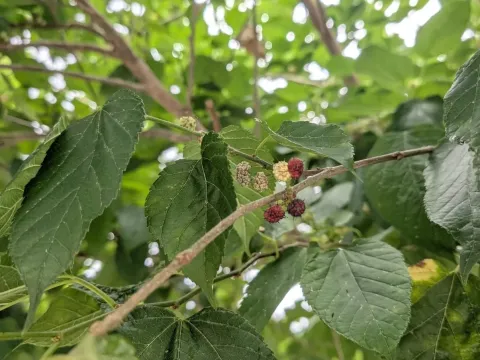
Kagayama mulberry
Morus kagayamae
The Kagayama mulberry (Morus kagayamae) belongs to the Moraceae family and is known for its distinctive foliage and robust growth. This species is often utilized in both ornamental landscaping and specific agricultural applications due to its resilience.
What the section contains
Kagayama mulberry
The tree thrives in full sun exposure, which is essential for developing a dense and healthy canopy. It performs best in fertile, well-drained loamy soils, although it shows a high tolerance for various soil textures provided they are not waterlogged.
Water requirements are moderate, with consistent irrigation needed during the establishment phase and prolonged dry spells in summer. Protecting young trees from harsh frost is necessary, as they are more vulnerable until the trunk and root system are fully mature.
Proper pruning is vital for maintaining the structural integrity of the tree. By removing dead or crossing branches in late winter, the grower ensures optimal light penetration and airflow, which minimizes the risk of pathogens developing within the inner canopy.
Fertilization regimes should be based on soil testing, focusing on nitrogen application during the early growth season to support leaf development. Providing balanced nutrition ensures that the tree remains vigorous and capable of resisting environmental stress.
Common pests include spider mites and scale insects, which can drain sap and weaken the plant. Integrated pest management (IPM) strategies, including biological controls or targeted oil sprays, are effective for managing these infestations.
Fungal diseases like powdery mildew are prevalent in areas with high humidity or poor air circulation. Regular pruning to thin out the canopy is the most effective cultural method to prevent the spread of fungal spores among the leaves.
Bacterial blight can affect the shoots and branches, leading to dark lesions and dieback. Any infected branches should be promptly pruned back to healthy wood and removed from the site to prevent further spread of the bacteria during wet weather.
Root system health is often compromised by Phytophthora root rot, usually resulting from inadequate drainage. Ensuring the planting site is elevated and the soil structure is friable helps to mitigate the risk of water stagnation.
Routine monitoring of the trunk for bark-boring insects is recommended, especially in older specimens. Keeping the bark healthy and free from mechanical damage prevents secondary infections and maintains the overall longevity of the mulberry tree.