
Julocroton
Julocroton
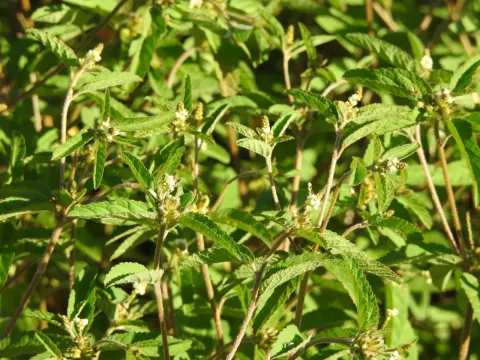
Julocroton is a genus of plants belonging to the Euphorbiaceae family. These species are typically characterized as shrubs or semi-shrubs, often being taxonomically integrated into the wider Croton genus within modern botanical research and classification.
What the section contains
Julocroton
The origin of this genus is rooted in the tropical regions of South America. They are native to diverse landscapes, including arid and semi-arid environments where they have evolved to withstand high temperatures and irregular precipitation patterns.
Agronomically, the plant requires well-drained, porous soils to thrive. It is highly sensitive to waterlogged conditions, which can lead to rapid decay of the root system; therefore, site selection with natural or artificial drainage is a primary necessity.
Exposure to direct sunlight is essential for the development of the plant's structural integrity and the synthesis of phytochemicals. It exhibits xerophytic adaptations, such as dense trichomes (hair-like structures) on the leaf surfaces that help reduce water loss.
In terms of cultivation practices, the species requires minimal input but benefits from moderate spacing to ensure proper airflow. This prevents the microclimate around the foliage from becoming overly humid, which is critical for long-term health.
Root rot pathogens represent the most significant threat to the survival of Julocroton. These fungal infections typically thrive in soil that lacks proper aeration, leading to the systemic failure of the plant's water uptake mechanisms.
Pest pressures include spider mites, which can cause severe chlorosis of the foliage. Infestations typically occur during periods of prolonged drought, when the plant's natural defense mechanisms are temporarily weakened due to physiological stress.
Aphids are another major group of pests that target the terminal buds of the shrubs. Their feeding activity not only stunts the growth of new shoots but also promotes the growth of sooty mold due to the accumulation of honeydew.
Powdery mildew can affect populations during periods of high atmospheric humidity. The fungal spores create a white, powdery layer on the leaves, significantly reducing the plant's photosynthetic capacity and overall biomass production.
Integrated pest management strategies are recommended to mitigate these risks. These include maintaining proper plant density and sanitation practices, such as removing infected biomass to limit the spread of pathogens across the growing area.