
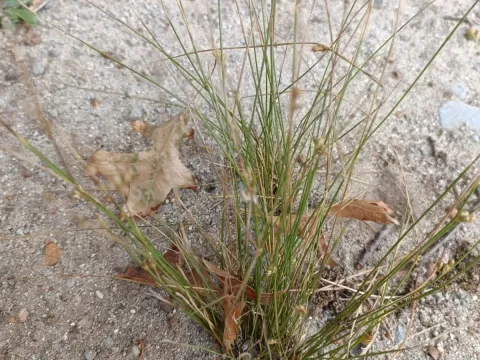
Hair-like rush
Juncus capillaceus
Hair-like rush (Juncus capillaceus) is a perennial herbaceous plant belonging to the Juncaceae family. It is characterized by its slender, wire-like stems that grow in dense clumps, providing a distinct appearance and structure to the vegetation.
What the section contains
Hair-like rush
The plant originates from South America, where it thrives in various temperate and subtropical grasslands. Its natural range encompasses diverse ecosystems, allowing it to adapt to various moisture levels and environmental conditions found in its native regions.
For successful growth, Juncus capillaceus requires well-drained but consistently moist soil. It is particularly responsive to loamy soils with a balanced nutritional composition, which allows the plant to form its characteristic deep and fibrous root system.
Regarding climate, the species prefers regions with moderate temperatures and adequate rainfall. While it shows good tolerance to seasonal variations, it does not perform well under extreme heat or conditions of prolonged drought without supplemental irrigation.
In terms of agricultural use, this plant is primarily valued for its phytoremediation capabilities and its efficiency in soil stabilization. It is often integrated into landscape projects to protect riparian zones from erosion and to improve soil structure through the continuous development of its root mass.
The primary threats to hair-like rush are related to soil-borne pathogens and fungal infections that arise in waterlogged or poorly ventilated conditions. Root rot is the most common issue observed in fields with inadequate drainage.
Insect pests typically cause minor damage, but heavy infestations of sucking insects can weaken the plant and make it more susceptible to opportunistic diseases. Scouting the fields for leaf discoloration is a vital practice for effective management.
Maintaining proper spacing between plants is crucial to ensure good airflow, which significantly reduces the risk of fungal spread. Regular inspections should be conducted, especially during periods of high humidity or excessive rain.
Chemical control measures should be applied with caution to avoid damaging the beneficial microflora associated with the plant roots. Integrated pest management strategies that emphasize sanitation are highly recommended by agronomists.
If an infection is identified, immediate removal of the affected biomass is required to prevent it from spreading throughout the stand. Maintaining optimal soil pH and nutrient levels will ensure the plant remains robust against these environmental threats.