
Juncus caespitosus
Juncus caespitosus
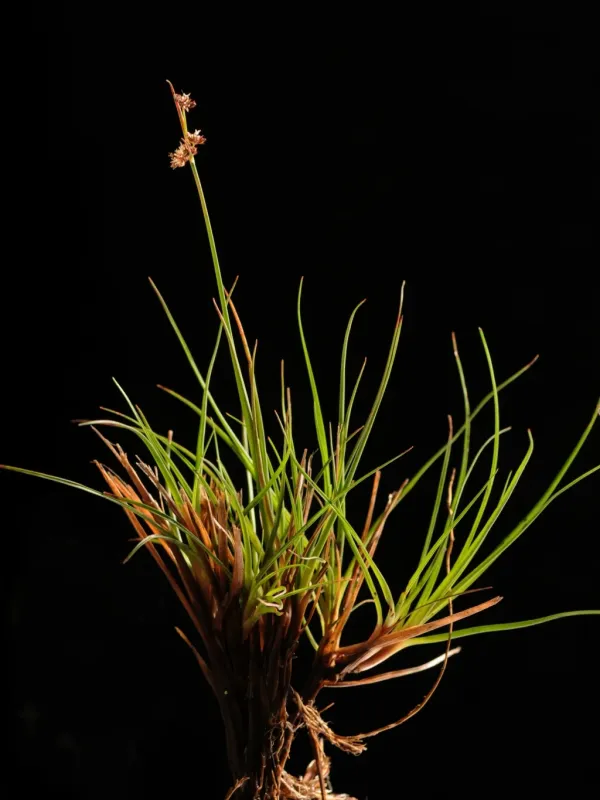
Description
Growing requirements
Juncus caespitosus, a member of the Juncaceae family, is a perennial herbaceous plant known for its dense clumping growth habit. This structure provides it with significant stability in marshy terrains and high resistance to physical stress from moving water or debris.
The native distribution includes wetlands, temperate bogs, and saturated meadows. As a hydrophilic plant, it requires consistent moisture throughout its growth cycle. The species has evolved specifically to thrive in environments where other common crops would succumb to root rot due to oxygen deprivation.
Soil requirements focus on acidic conditions and high levels of organic matter, such as peat or silt-based substrates. Sunlight is a critical factor for development; while it can tolerate partial shade, maximum yield and vigor are observed under full-sun exposure, which promotes higher biomass accumulation.
Agricultural management is relatively straightforward, involving the maintenance of a stable hydrological regime. Fertilization is generally limited to periodic application of nitrogen-based fertilizers during the early growing season to boost the development of vegetative parts for harvest.
The commercial utility of this plant is multifaceted. It is widely employed in bio-engineering for slope stabilization and shoreline erosion control. Additionally, it serves as a valuable resource in the production of organic fibers and as a natural filtration agent for agricultural water runoff management.
Main diseases and pests
The primary threats to this crop involve fungal pathogens that emerge in high-humidity microclimates. Poor air circulation in overly dense plantings can lead to mold development, which compromises the structural integrity of the stems.
Pests are generally not a major concern; however, certain insect species can occasionally damage the outer tissues of the stalks. Integrated pest management, focusing on proper planting density and canopy ventilation, is usually sufficient to mitigate potential damage.