
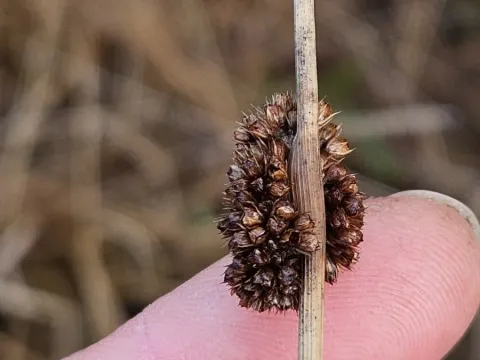
Juncus conglomeratus
Juncus conglomeratus
The propagation of Juncus conglomeratus occurs primarily through seeds and vegetatively via rhizome division. In natural habitats, seeds are dispersed by water and wind, germinating efficiently in high-moisture environments.
What the section contains
Juncus conglomeratus
In agricultural settings, seeds are sown in early spring into well-prepared, saturated soil. Surface sowing is recommended as the seeds require sufficient light exposure for successful germination.
The optimal temperature range for germination is between 15 and 20 degrees Celsius. Maintaining constant soil moisture is critical, as drying out the topsoil can severely impact the survival rate of the delicate seedlings.
For vegetative propagation, splitting established clumps in early spring or autumn is standard. Each fragment must contain healthy buds to ensure rapid establishment in its new growing location.
Planting density is determined by the specific land-use goals. Maintaining adequate spacing is essential to ensure proper air circulation, which prevents the development of fungal diseases in the maturing foliage.
Juncus conglomeratus belongs to the Juncaceae family and is a characteristic hydrophyte. It thrives in wetlands, marshes, and riverbanks, effectively acting as a bio-indicator for poorly drained soils.
The crop prefers acidic or slightly acidic soils rich in organic matter. It is well-suited for low-lying peatlands and heavy clay-based soils that retain water throughout the growing season.
While the plant is highly tolerant of occasional flooding, it does not perform well in permanently dry conditions. Adequate humidity is the most significant factor for maintaining long-term plant health.
It is a light-loving species, though it can tolerate partial shade if water levels remain constant. The plant is highly cold-hardy, surviving even severe winters in temperate climate zones.
In managed landscapes, agronomic focus remains on irrigation control. While often considered a weed in productive agriculture, it provides significant ecological benefits in water filtration systems.
Common diseases affecting Juncus conglomeratus include various fungal infections, such as rust and leaf spot, which typically occur in stagnant air conditions with excessive humidity.
Pests cause minimal damage to this species due to the tough, silica-rich nature of the stems. Very few herbivores actively target these plants, providing a high level of natural resilience.
The primary threat in modern agriculture is the displacement by competitive grasses during land reclamation and drainage projects, which alter the local moisture balance.
Overgrazing can destroy the root structure of the plant. If livestock density is not managed, the plants may die out and be replaced by less moisture-tolerant vegetation.
Overall, the plant is remarkably robust against biotic stress, and management efforts are generally focused on habitat preservation rather than chemical pest control.
Agricultural use is limited due to the low nutritional value of the foliage. In regions facing forage shortages, it may be harvested before flowering for use as roughage for hardy livestock.
For technical applications, such as weaving and mat-making, harvesting takes place in late summer when the stems have reached peak structural integrity and fiber maturity.
Proper drying is essential for the harvested material; it must be stored in well-ventilated areas to ensure the porous internal pith remains intact and free from mold growth.
Juncus conglomeratus provides high-quality, sustainable natural fibers that are highly valued in traditional crafting and the production of ecological home products.
After harvesting, cleaning the field of remaining debris encourages healthy regrowth, ensuring the longevity and productivity of the wetland plant stand for subsequent seasons.