
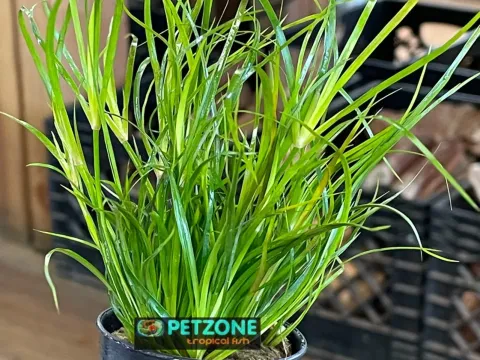
Fontanes' rush
Juncus fontanesii
Fontanes' rush (Juncus fontanesii) is a perennial herbaceous plant belonging to the Juncaceae family. This species is native to the Mediterranean region, parts of the Caucasus, and Western Asia, where it typically inhabits wetlands and moist soil conditions.
What the section contains
Fontanes' rush
As a true hydrophyte, the primary requirement for successful cultivation is constant access to moisture. It thrives in locations where the water table is at or near the surface, making it an ideal candidate for riparian zones, ponds, and water gardens.
The plant adapts well to a variety of soil types, including sandy, loamy, and organic-rich substrates. It is relatively tolerant of various pH levels but performs best in neutral to slightly acidic soil environments common in marshy areas.
Botanically, Juncus fontanesii is characterized by its slender, erect culms and basal foliage. The plant produces distinctive inflorescences that provide both aesthetic value and ecological structure, making it a functional component of aquatic landscapes.
In terms of agricultural and environmental usage, Fontanes' rush is highly valued for erosion control along watercourses. Its extensive root system helps to stabilize muddy banks and contributes to the phytoremediation of contaminated water bodies.
The species is remarkably resistant to common fungal and bacterial diseases that often plague crop plants in aquatic environments. Its primary health issue is lack of water, as prolonged drought stress will rapidly degrade the plant's vigor and ornamental quality.
Pest problems are minimal, though in rare cases, aphids or marsh beetles may cause minor foliage damage. Because of the plant's habitat, heavy chemical pest control is generally discouraged in favor of natural maintenance and environmental balance.