
Grass-leaved rush
Juncus marginatus
Description
Growing requirements
The grass-leaved rush (Juncus marginatus) is a perennial herb belonging to the Juncaceae family. Originally native to North and South America, it is primarily found in wetland habitats, moist meadows, and along the margins of ponds and streams.
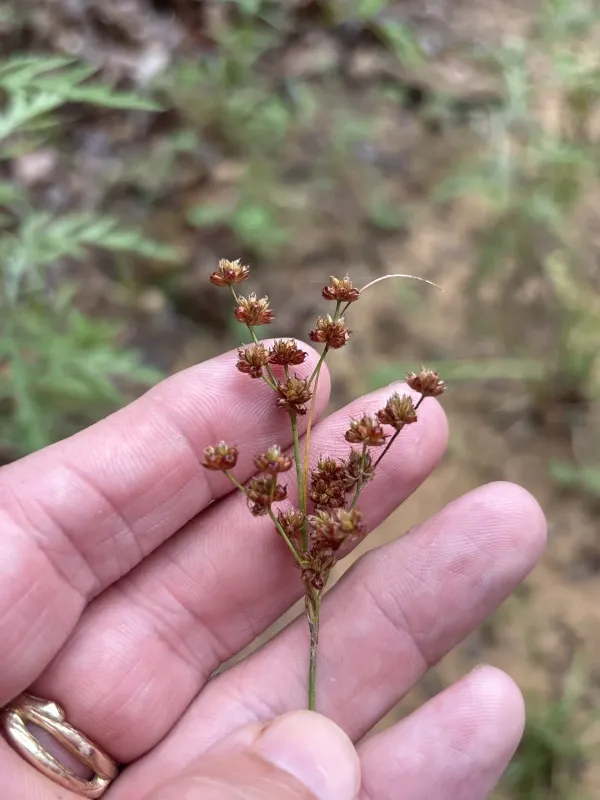
The plant features tufted growth habits with grass-like, narrow, and flat leaves. Its inflorescences are distinct, consisting of small heads of flowers that give the plant its characteristic look during the flowering stage, usually peaking in mid-summer.
This species requires high moisture levels throughout its life cycle. It is highly adapted to wet soil conditions and can tolerate temporary inundation, making it an excellent choice for environmental restoration projects or waterside landscaping.
Regarding climate, Juncus marginatus prefers temperate environments with abundant precipitation. It thrives in full sun exposure but maintains vigor in partial shade, provided that the soil moisture levels do not drop significantly.
Soil requirements for optimal growth include nutrient-rich, acidic to neutral substrates. The plant shows remarkable success in heavy soils like clay, which retain water effectively, ensuring the root system remains hydrated during hotter months.
Main diseases and pests
The grass-leaved rush exhibits high resistance to most major agricultural pests and diseases. Its tough, fibrous leaf structure makes it less susceptible to common chewing insects compared to other softer forage grasses.
Root rot represents the primary potential threat when the soil environment becomes stagnant and anaerobic. Ensuring good water quality and preventing the accumulation of decaying organic waste can significantly mitigate this risk.
In terms of biotic threats, waterfowl or small mammals sometimes damage the young sprouts when foraging, although this is usually non-lethal for well-established stands of the plant.
Fungal leaf spots may occasionally occur in areas with poor airflow and high humidity. Maintaining proper spacing between plants is the most effective cultural practice to reduce the spread of such infections.
Competition from invasive plant species can be a major challenge during the establishment phase. Effective weed management is crucial in the first season to allow the grass-leaved rush to gain enough strength to dominate the local environment.