
Flat-stalked rush
Juncus anceps
Description
Growing requirements
Flat-stalked rush (Juncus anceps) is a perennial herbaceous plant belonging to the Juncaceae family. It is typically found in habitats characterized by high moisture content, such as marshes, wet meadows, and river banks.
The plant thrives in nutrient-rich, damp soils, often showing a preference for heavy clay or peat-based substrates. Its growth is supported by rhizomes that allow it to colonize waterlogged areas where conventional agricultural crops would suffer from root rot.
Climate requirements for this species include consistent availability of water. While it is hardy in temperate climates, its health is directly correlated to the water table level. It demonstrates excellent winter hardiness and can survive prolonged periods of flooding.
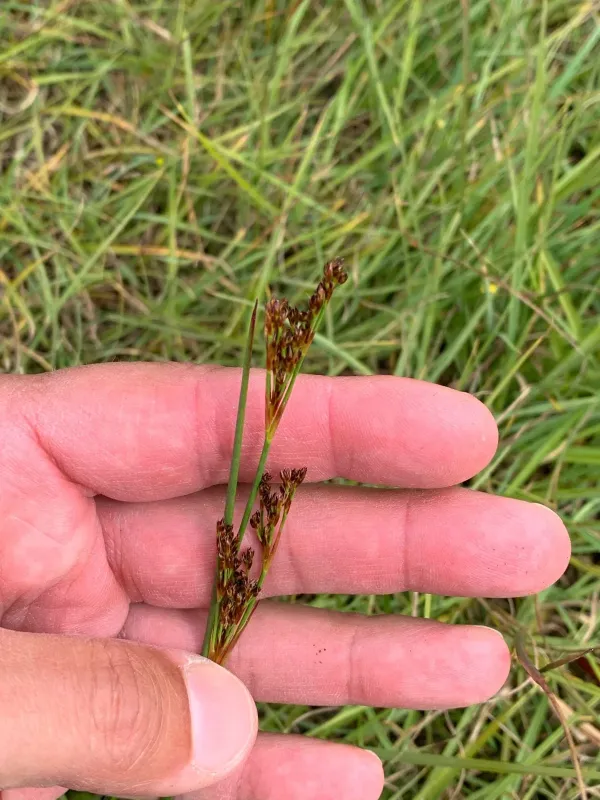
Botanically, it is distinguished by its flattened stems and narrow, grass-like leaves. These adaptations allow the plant to maintain gas exchange even when partially submerged, which is a key competitive advantage in aquatic environments.
Agricultural management is focused on site selection rather than intense cultivation practices. Maintaining the appropriate soil moisture level is the most critical factor for ensuring the longevity and productivity of a Juncus anceps stand.
Yield
The primary use of Juncus anceps is not for fodder, as its nutritional value and palatability are low for livestock. Instead, it serves critical roles in environmental engineering and landscape management.
Biomass production is largely determined by the hydrological regime. When managed properly, the crop can provide a reliable source of material for heavy mulch or green manure, provided it is harvested before seed dispersal.
In environmental management, the plant is valued for its phytoremediation capabilities. It efficiently traps nutrients and sediments in runoff water, protecting adjacent water bodies from eutrophication caused by agricultural fertilizers.
The plant also has niche applications in handicraft and weaving, thanks to the durability and flexibility of its stems. Historically, such rushes were used for floor coverings and basketry due to their resistance to rotting.
Economic yield is also realized through soil stabilization. By planting Juncus anceps along drainage ditches and irrigation channels, farmers can significantly reduce bank erosion and the costs associated with frequent waterway maintenance.
Main diseases and pests
Flat-stalked rush is naturally resistant to most common agricultural pests, which makes it an incredibly low-maintenance crop. It rarely requires chemical intervention or specific pest control strategies.
The greatest threat to this species is the alteration of its environment. Drainage operations that lower the water table will quickly lead to the decline of the population, as the plant cannot compete with terrestrial species in dry soil conditions.
While disease outbreaks are rare, excessive stagnation combined with high heat can lead to fungal leaf spots. Such issues are typically mitigated by improving the flow of water and ensuring adequate air movement around the vegetation.
Invasive weed competition during the establishment phase is the main threat to crop density. Once the rhizomatous mat is fully established, the plant becomes highly dominant and usually prevents the invasion of other weed species.
Monitoring the soil's redox potential is a proactive approach to managing this crop. Changes in the chemical composition of the water can signal stress, allowing for adjustments in water management before plant health is compromised.