
Callerya
Callerya Endl.
Callerya is a genus of woody climbing plants belonging to the Fabaceae family. Originating from the tropical and subtropical regions of Asia and Australia, these vines are characterized by their rapid growth and strong, twisting stems.
What the section contains

Callerya
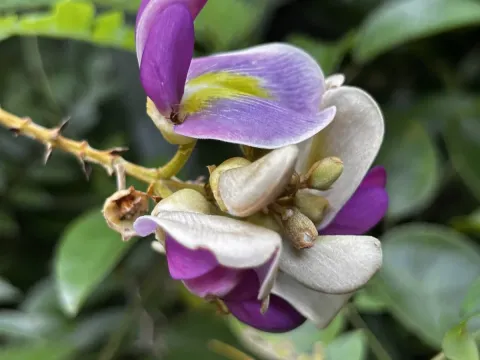
Botanically, Callerya plants exhibit pinnately compound leaves and typically produce showy racemes of papilionaceous flowers. The genus is well-adapted to climbing through the canopy of tropical forests to reach sunlight.
Cultivation requires well-draining, nutrient-rich soil with a slightly acidic to neutral pH. Providing a robust trellis or physical support is essential for the plant to develop its full architectural potential in a garden setting.
In terms of climate, Callerya is sensitive to frost and thrives in warm, humid conditions. It is best suited for greenhouse cultivation or conservatory environments in temperate regions to avoid cold-induced tissue damage.
The primary use of Callerya is ornamental. It is frequently employed in landscaping to cover pergolas, trellises, and walls, where its lush foliage and flowers provide significant aesthetic value and shade.
The most common disease affecting Callerya is root rot, which typically occurs in waterlogged soil. Proper soil management and ensuring sufficient drainage are critical to prevent fungal decay.
Pests such as spider mites are frequent adversaries in indoor environments. Regular misting and maintaining appropriate humidity levels can help deter these infestations effectively.
Scale insects can also colonize the stems and underside of leaves. Manual removal or application of horticultural oils is recommended if an infestation is detected early on.
Powdery mildew may manifest as a white, dusty coating on leaves under conditions of poor air circulation. Increasing airflow and avoiding overhead irrigation can mitigate this issue.
Nutrient deficiencies, specifically iron chlorosis, can cause leaf yellowing. Applying a balanced fertilizer supplemented with chelated micronutrients will help maintain optimal plant health.