
Caesalpinia major
Caesalpinia major
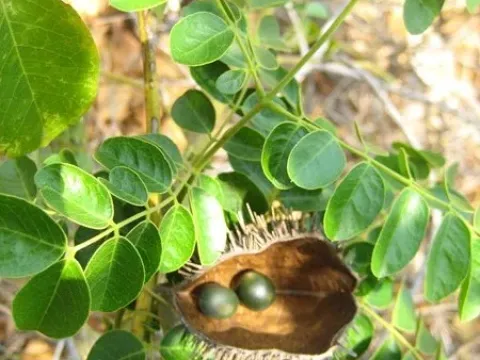
Caesalpinia major is a robust climbing shrub or liana belonging to the Fabaceae family. Characterized by its strong, prickly stems and compound leaves, this species is well-adapted to the dense vegetation of tropical habitats, where it uses its thorns to climb towards sunlight.
What the section contains
Caesalpinia major
The plant is native to the coastal regions of the tropics and subtropics across Asia, Africa, and the Pacific Islands. Its evolutionary path has favored growth in sandy soils and saline environments, making it a pioneer species for coastal stabilization and protection against erosion.
Environmental requirements for the cultivation of Caesalpinia major include a warm, humid tropical climate. It is extremely sensitive to frost and cold drafts; therefore, constant temperatures exceeding 20 degrees Celsius are necessary for maintaining active physiological processes throughout the year.
Soil requirements focus on high permeability and drainage. While the plant can tolerate nutrient-poor sandy soils, it thrives best in deep, fertile substrates that allow its extensive root system to anchor firmly. Waterlogging must be strictly avoided to prevent root rot, as the species is accustomed to free-draining coastal habitats.
Agricultural and economic uses of the crop include the harvesting of seeds, which are traditionally valued for their pharmaceutical properties. Additionally, the wood and bark are harvested in some regions to extract tannins and natural dyes, reflecting the species' historical importance in local cottage industries.
The main threats to the plant's health involve fungal pathogens that affect the roots when soil drainage is insufficient. Proper site selection and careful irrigation management are critical to minimizing these risks in a commercial or domestic setting.
Common pests include spider mites and scale insects, which can severely damage foliage if the environment becomes too dry. Integrated pest management, including regular monitoring and the use of appropriate horticultural oils, is recommended for effective control.