
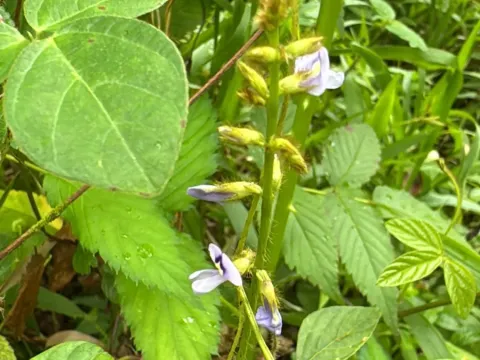
Calopogonium
Calopogonium
Calopogonium is a warm-season tropical crop, requiring consistently high temperatures for successful establishment. Planting is typically synchronized with the onset of the rainy season to ensure rapid germination without the need for intensive artificial irrigation.
What the section contains

Calopogonium
Seed treatment, such as scarification, is often necessary due to the hard seed coat, which can otherwise impede uniform emergence. This ensures a consistent stand across the field, which is vital for effective ground cover development.
The seeding rate is determined by the intended use; for instance, higher densities are employed when the crop is used to suppress weeds, while lower densities are preferred for intercropping in established plantations to reduce resource competition.
Seeds are sown at a shallow depth of 2-3 centimeters to facilitate oxygen access. Inoculation with specific strains of rhizobial bacteria is recommended to maximize nitrogen fixation efficiency, especially when the plant is introduced into new environments.
Following germination, the plant rapidly develops its vegetative mass. During the initial growth phase, protecting the crop from shading by vigorous weeds is essential until Calopogonium can establish a dense, competitive canopy.
As a quintessential tropical plant, Calopogonium thrives in hot and humid climates. It is highly sensitive to frost, which strictly limits its cultivation range to tropical and subtropical regions where temperatures remain high throughout the year.
The plant demonstrates remarkable adaptability to various soil types, including acidic and nutrient-poor soils. While it prefers well-drained conditions, it can tolerate a wide range of moisture levels, though waterlogging may hinder deep root development.
Although it possesses moderate drought tolerance, optimal biomass production requires regular rainfall. In environments with excessive moisture, the plant grows vigorously, making it an excellent candidate for erosion control on slopes.
The symbiotic relationship with nitrogen-fixing bacteria is crucial for its performance. In areas where the specific bacteria are not naturally present, the application of inoculants is a prerequisite for achieving high plant vitality and soil enrichment.
Its shade tolerance is a significant agronomic feature, allowing it to function effectively as a cover crop beneath rubber trees, oil palms, and various fruit orchards, where it helps maintain soil moisture and prevents topsoil erosion.
Calopogonium is capable of producing significant amounts of green manure biomass under favorable tropical conditions. Its rapid growth cycle allows it to cover the soil quickly, providing a protective barrier against heavy tropical rains.
As a green manure, the crop contributes large quantities of organic matter to the soil upon incorporation, significantly improving soil structure and fertility. This effectively reduces the need for synthetic nitrogen fertilizers in subsequent crop cycles.
When managed for fodder, the yield depends on the frequency of harvesting. The plant shows strong regrowth potential after mowing, allowing for multiple harvests within a single season, provided the cutting intensity is properly controlled.
Nutritional value, specifically protein content, remains high if the crop is harvested during the vegetative stage. However, care should be taken as some varieties may contain secondary metabolites that could limit its use as a primary forage source.
Overall farm productivity increases when Calopogonium is utilized, due to its ability to improve soil health over time. By fixing nitrogen and adding organic matter, it creates a more sustainable environment for primary commodity crops.
Fungal diseases represent the primary threat to Calopogonium, especially in areas with poor airflow and high humidity. Anthracnose and various leaf spot pathogens can significantly reduce foliage quality and overall biomass yield.
Insect pests, including aphids and various lepidopteran larvae, can damage young plants. Management typically involves biological control measures to maintain the ecological integrity of the planting area and ensure sustainable growth.
Soil-borne nematodes can compromise the root system, leading to stunted growth and reduced nitrogen-fixing capacity. Crop rotation and the selection of resistant cultivars are essential strategies to mitigate the impact of these microscopic pests.
Competition from aggressive weeds during the establishment phase remains a major challenge. Ensuring uniform sowing and providing early intervention against fast-growing grasses is critical for the crop to outcompete unwanted vegetation.
Overgrazing poses a risk to the persistence of the crop in livestock systems. Controlled grazing management is necessary to prevent the depletion of the root reserves, which could otherwise lead to stand degradation and the eventual invasion of weed species.