
Caesalpinia miranda
Caesalpinia miranda
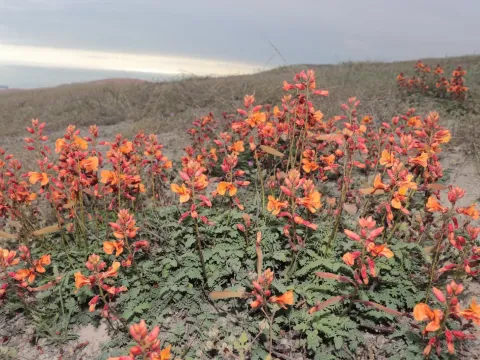
Caesalpinia miranda is a perennial woody plant belonging to the Fabaceae family. It is recognized for its significant biological value and morphological traits that are characteristic of tropical leguminous species found in diverse ecosystems.
What the section contains
Caesalpinia miranda
The plant originates from the tropical zones of the Americas. It thrives in regions with stable warm temperatures and requires full sun exposure to achieve optimal growth rates and to produce healthy seeds or secondary metabolites.
Soil requirements involve well-drained, nutrient-rich substrates with a slightly acidic to neutral pH level. It is essential to avoid heavy, waterlogged soils, as this species is prone to root rot under conditions of poor drainage or standing water.
The agronomic management includes balanced irrigation practices that allow the soil to dry slightly between watering cycles. During the growing season, moderate fertilization is beneficial to support the development of vegetative biomass.
In terms of usage, the crop is widely valued for ornamental purposes in tropical landscaping. Furthermore, there is interest in the chemical properties of its bark and pods, which contain compounds useful for the tanning and dye industries.
The primary threats to the cultivation of this species include various fungal pathogens such as leaf spot and powdery mildew. These are often triggered by high humidity levels or poor ventilation in densely planted areas or greenhouses.
Insects like spider mites and aphids are known to feed on the tender tissues of the plant. If left untreated, these pests can cause significant stunting, leaf discoloration, and increased vulnerability to secondary infections.
Proper sanitation is a critical aspect of plant protection. Regularly removing debris and maintaining clean tools significantly lowers the risk of spreading pathogens within the plantation or nursery environment.
For chemical or biological control, it is recommended to apply treatments early in the morning when the temperature is lower to ensure better absorption and avoid leaf burn. Integrated pest management strategies are preferred for long-term health.
Keeping an eye on the overall vigor of the plants is essential for early detection of stress. Healthy, well-nourished plants are generally more resilient against minor pest pressures and fluctuations in the environmental conditions.