
Callerya speciosa
Callerya speciosa (Champ.) Schot
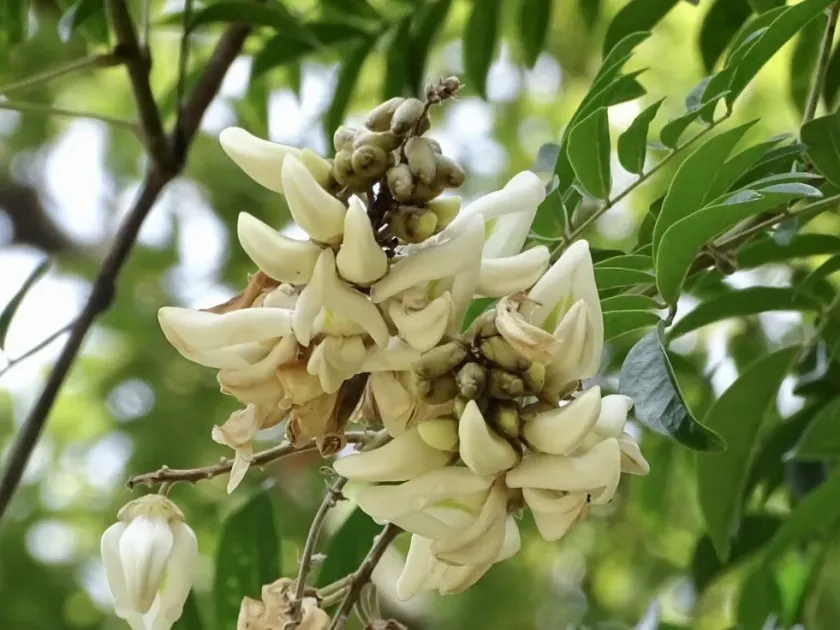
Description
Growing requirements
Callerya speciosa is a member of the Fabaceae (legume) family. It is a perennial woody climber that possesses a significant root system, which serves as the primary component of economic and medicinal interest.
The plant thrives in warm and humid subtropical climates. Ideal growing conditions include well-lit areas, although young sprouts require protection from direct, intense midday sunlight to prevent scorching.
The soil for cultivation must be deep, loose, and rich in organic matter. This crop is highly sensitive to waterlogging, making proper drainage systems critical to preventing root rot and ensuring plant health.
An optimal soil pH ranges from slightly acidic to neutral. In professional cultivation regions, the plant shows high adaptability to various fertile soil types provided that fertilizers are applied consistently.
Under industrial farming conditions, it is essential to provide sturdy trellises or supports. Due to its climbing growth habit, vertical development is necessary to maximize leaf surface area and overall biomass production.
Yield
The roots are the main commercial product, harvested primarily for the pharmaceutical and nutraceutical industries. Yield depends on the plant's age, with peak accumulation of bioactive compounds occurring between years 3 and 5.
Processing involves cleaning, slicing, and drying the roots. With proper planting density, productivity per hectare can reach several tons of dried raw material, confirming the crop's economic viability.
Harvest quality is determined by the concentration of isoflavones and specific phytochemicals within the root system. Utilizing modern intensive agricultural methods can significantly enhance the extraction yield of these compounds.
Harvesting is performed either mechanically or manually, depending on the scale of operation. Minimizing physical damage to the roots during excavation is vital to maintain the quality required for pharmaceutical standards.
Post-harvest processing includes thorough washing under running water and the removal of fine lateral roots. Controlled-temperature drying is necessary to inhibit fungal growth and preserve the plant's integrity and potency.
Main diseases and pests
Callerya speciosa is susceptible to fungal infections during periods of excessive soil moisture. Root rot diseases are particularly dangerous, as they directly impact the quality and quantity of the harvestable root crop.
Pests such as leaf-eating beetles and aphids may damage young foliage during the early stages of the growing season. Regular field monitoring allows for the timely application of biological control agents.
Weed management is critical during the first years of establishment. Systematic weeding, combined with mulching the root zone using organic materials, helps mitigate competition and improves soil moisture retention.
Soil-borne nematodes pose a significant threat to the root system. Using specific cover crops or green manure before planting can help reduce pest populations and improve overall soil health.
Strict adherence to crop rotation practices is essential to prevent the buildup of soil-borne pathogens. It is advised not to replant this crop on the same site for several years following a full harvest cycle.