
Calophaca
Calophaca
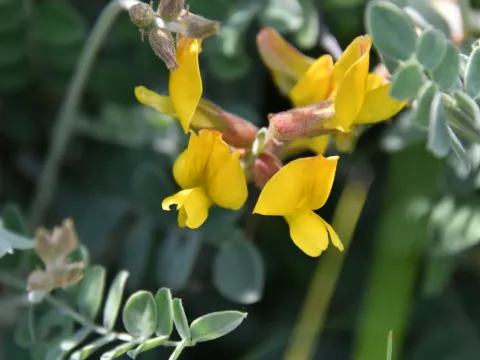
Calophaca is a genus of deciduous shrubs belonging to the Fabaceae family. Known for its distinct yellow blossoms and glandular-hairy seed pods, it serves as an excellent decorative element for xeriscaping and dry gardens in temperate climates.
What the section contains


Calophaca
The plant originates from the arid regions and steppes of Eurasia, extending from Central Asia to Southern parts of Russia. Its evolutionary history has endowed it with remarkable physiological mechanisms to withstand harsh winds and scarce rainfall.
Regarding soil, Calophaca thrives best in well-draining, slightly alkaline or rocky soils. It is notably tolerant of poor, calcareous substrates where other ornamental shrubs might struggle to establish a healthy root system.
Sunlight requirements for this species are high. It must be placed in full sun to ensure vigorous growth and profuse flowering. Shade results in elongated stems, reduced flowering capacity, and a significant decrease in the plant's overall hardiness.
Maintenance is relatively low, as the plant possesses nitrogen-fixing capabilities typical of legumes. It generally does not require intensive fertilization, making it a sustainable choice for landscaping projects aiming to reduce resource consumption.
The primary threats to Calophaca health are related to moisture management. Fungal infections, particularly root rot, occur when the drainage is insufficient, especially in heavy clay soils or during rainy, humid summers.
Insect pests such as weevils or aphids can occasionally infest new growth. While rarely fatal to mature specimens, these infestations can ruin the aesthetic appearance of the plant and should be managed with targeted treatments when necessary.
Preventive care involves ensuring adequate airflow around the shrub through proper pruning. Removing dead or diseased wood before the growing season is essential to prevent the spread of fungal pathogens that thrive in stagnant conditions.
Integrated pest management strategies are recommended, focusing on maintaining plant vigor to improve natural resistance. Chemical interventions should be used sparingly, prioritizing environmentally friendly soaps or horticultural oils for minor outbreaks.
Cultural practices should also consider the plant's sensitivity to soil compaction. Regular, gentle cultivation of the soil surface around the base of the plant can improve oxygen exchange to the roots, further strengthening the plant against potential stressors.