
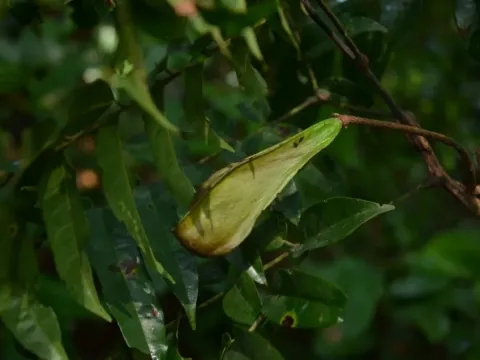
Calpocalyx
Calpocalyx
Calpocalyx is a genus of evergreen trees belonging to the family Fabaceae, specifically the subfamily Mimosoideae. These plants are native to the tropical rainforests of West and Central Africa.
What the section contains

Calpocalyx
The culture thrives in stable, hot, and humid tropical climates. Optimal growth conditions require regions with high ambient humidity and consistent year-round rainfall, which is typical of equatorial forest environments.
Soil requirements involve deep, well-drained substrates. While these trees can adapt to various tropical soil types, they prefer nutrient-rich, humus-heavy soils that prevent waterlogging and facilitate healthy root development.
In its natural habitat, Calpocalyx plays a crucial role in maintaining forest structure. The plant contributes to soil nitrogen enrichment through its symbiotic relationship with nitrogen-fixing bacteria residing in its root nodules.
Economically, the genus is valued for its dense and durable timber. The wood is widely utilized in local construction, tool manufacturing, and specialized structural projects due to its resilience against environmental stressors.
The primary threat to Calpocalyx populations is the ongoing loss of tropical habitats due to deforestation. In the wild, these trees are susceptible to various fungal pathogens that affect the bark and stem tissues.
Wood-boring insects, such as termites and beetle larvae, pose a significant risk to juvenile and stressed trees. Constant monitoring of these pests is essential when attempting to manage or cultivate these forest stands.
Root rot caused by fungi such as Fusarium or Phytophthora often occurs in environments with poor soil aeration and excessive moisture. These diseases can lead to rapid decline in tree health.
Seeds are frequently compromised by weevils while still maturing within the pods. This biological vulnerability significantly reduces seed viability and complicates artificial reforestation efforts.
Effective plantation management requires spacing between trees to ensure adequate airflow and light penetration, which helps mitigate the rapid spread of fungal spores and minimizes the impact of localized pest infestations.