
Caesalpinia pulcherrima
Caesalpinia pulcherrima
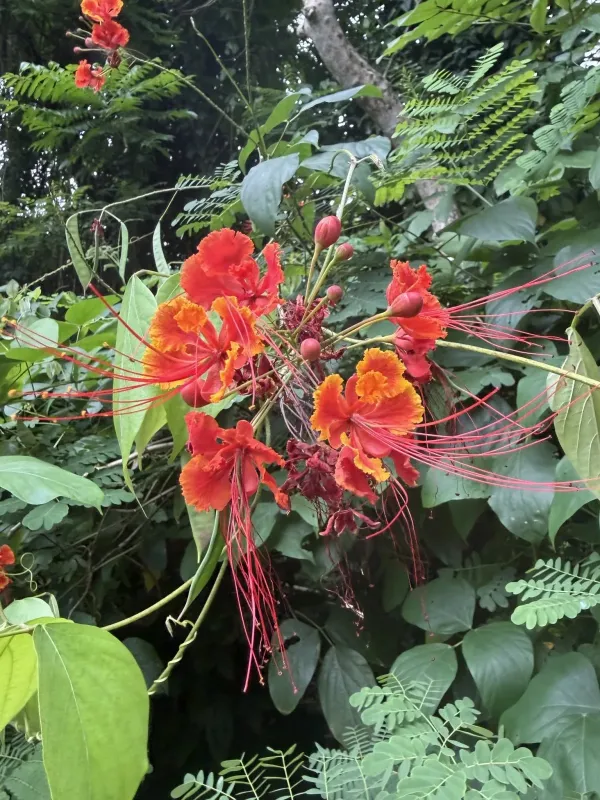
Description
Sowing dates
The propagation of Caesalpinia pulcherrima is typically performed via seeds sown in late winter or early spring. To ensure uniform germination, seeds require mechanical scarification of the hard outer coat followed by soaking in warm water for 24 hours.
Seeds should be planted in a well-draining, sterile potting mix. An optimal soil temperature between 22 and 25 degrees Celsius is required to stimulate embryo activity and promote successful emergence of the seedlings.
Germination can be erratic, often taking anywhere from two weeks to several months depending on the freshness of the seeds. Maintaining consistent moisture in the germination tray is vital, but avoiding waterlogged conditions is mandatory to prevent fungal damping-off.
Seedlings should be transplanted into individual containers once the first set of true leaves has fully developed. Using deep containers helps accommodate the plant's taproot system, which is characteristic of many members of the Fabaceae family.
Vegetative propagation is also possible using semi-hardwood cuttings taken during the growing season. These cuttings are treated with rooting hormones and placed in a high-humidity environment to encourage root development.
Growing requirements
Caesalpinia pulcherrima, commonly known as Pride of Barbados, is a member of the Fabaceae family. It is a stunning tropical shrub recognized for its spectacular orange, red, and yellow inflorescences and feathery foliage.
The plant thrives in full sun exposure. It requires at least six to eight hours of direct sunlight daily to produce its signature vibrant flowers. In regions with insufficient light, the plant will become leggy and fail to bloom profusely.
It prefers fertile, slightly acidic to neutral soil that provides excellent drainage. While it is adaptable to various soil types, it performs best in loose, sandy loam where oxygen can easily reach the root zone.
This species is highly sensitive to cold and is strictly a tropical or subtropical plant. Temperatures falling below 5 degrees Celsius can cause significant damage or death, necessitating overwintering in a greenhouse or bright indoor location.
Agrotechnical practices involve a consistent irrigation schedule during the warm months, allowing the top layer of soil to dry out between waterings. Fertilization with a balanced NPK ratio during the active growth period supports continuous flowering.
Main diseases and pests
The primary pests affecting this shrub are spider mites and mealybugs, especially in indoor or greenhouse settings. These pests flourish in dry, warm conditions and can quickly compromise the plant's vitality if left unchecked.
Effective management includes the use of horticultural oils or systemic insecticides. Regularly misting the foliage or increasing ambient humidity can significantly reduce the risk of spider mite infestations.
Fungal issues, such as root rot, are common when the plant is overwatered or kept in heavy, poorly aerated soil. Symptoms include wilting and yellowing of the leaves, even if the soil appears damp.
To mitigate the risk of disease, sanitation is key. Pruning away dead or diseased wood and ensuring adequate space between plants helps maintain airflow and reduces the presence of fungal spores.
- Monitor leaf undersides for signs of pests.
- Avoid overhead watering to keep foliage dry.
- Ensure containers have adequate drainage holes.