
Vaccinium glaucoalbum
Vaccinium glaucoalbum
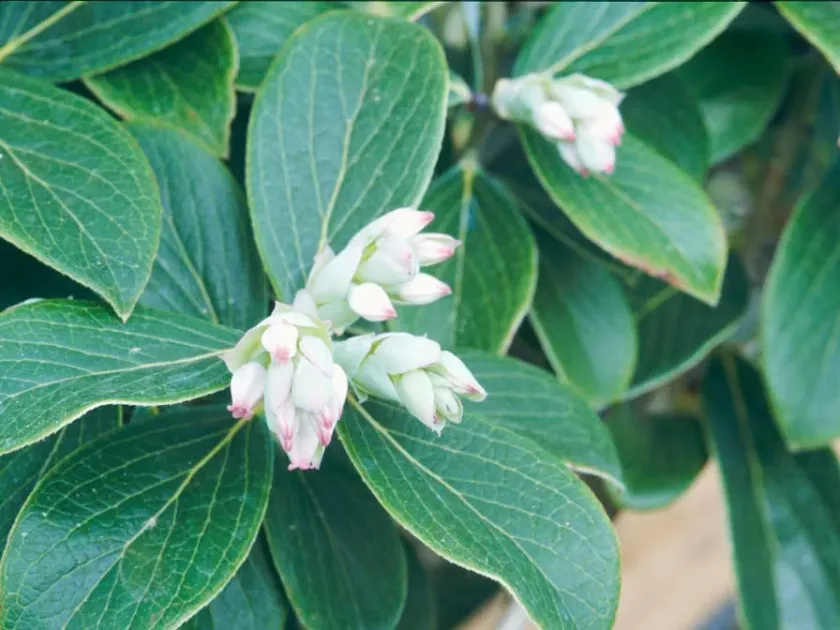
Description
Sowing dates
Propagation of Vaccinium glaucoalbum is primarily achieved through vegetative methods such as hardwood or softwood cuttings taken during the dormant or active growth period.
When starting from seeds, it is essential to provide a specialized acidic growing medium, such as peat moss mixed with perlite, to ensure proper germination.
Transplanting seedlings to their permanent location should occur during the cooler parts of the year, preferably early spring, to minimize transplant shock.
Adequate spacing is crucial for airflow and disease prevention; a gap of at least 1–1.5 meters between individual shrubs is recommended for optimal development.
Young plants require consistent moisture and protection from harsh environmental elements until their root systems are firmly established in the soil.
Growing requirements
As a member of the Ericaceae family, Vaccinium glaucoalbum strictly requires acidic soil conditions, ideally maintaining a pH level between 4.5 and 5.5.
The soil must be well-draining yet capable of retaining moisture, typically consisting of a mix of organic matter, peat, and pine bark mulch.
This species thrives in cool, humid environments and generally struggles in areas with intense heat, low humidity, or direct, scorching sunlight.
Consistent watering with non-alkaline water is necessary, as high calcium levels in tap water can quickly lead to soil pH imbalances and plant stress.
Regular mulching with organic material helps maintain soil moisture, suppresses weeds, and provides a stable environment for the shallow root system.
Yield
Yield capacity for Vaccinium glaucoalbum varies significantly based on environmental conditions and the intensity of the implemented agrotechnical practices.
Full production typically begins a few years after establishment, provided the shrub is properly pruned and kept free from competitive weed growth.
The berries are characterized by a distinct waxy blue-white coating, contributing to their ornamental value as well as their culinary potential.
Annual maintenance pruning is essential for stimulating the development of new fruiting wood and ensuring a consistent harvest of high-quality berries.
Optimizing light exposure and soil nutrient levels through careful management can lead to more robust fruiting cycles throughout the growing season.
Main diseases and pests
Fungal diseases, particularly those affecting the roots and foliage, are a major concern when soil drainage is poor or humidity remains excessively high.
Insects can occasionally target the leaves or fruit, necessitating regular monitoring and the use of integrated pest management strategies to protect the crop.
Iron deficiency, appearing as leaf chlorosis, often occurs if the soil pH rises above the ideal range, interfering with nutrient uptake by the roots.
Mitigation of pest and disease threats is most effective when focused on maintaining high plant vigor through proper site selection and soil chemistry control.
Birds represent a common threat to the harvest as berries ripen, so netting or other exclusion methods are advised for protecting the final crop yields.
Harvesting
The harvest should be conducted by hand, focusing on the selection of ripe berries that possess the desired texture and full color development.
Early morning harvesting is preferred to minimize post-harvest moisture loss and to keep the produce at a lower temperature until storage.
Gentle handling during the collection process is required to avoid bruising the berries, which could significantly reduce their shelf life and quality.
Once gathered, the fruit should be cooled immediately and stored in ventilated containers to prevent the rapid development of decay organisms.
Final sorting should take place during the collection process to ensure that only healthy, high-quality berries are kept for storage or culinary use.