
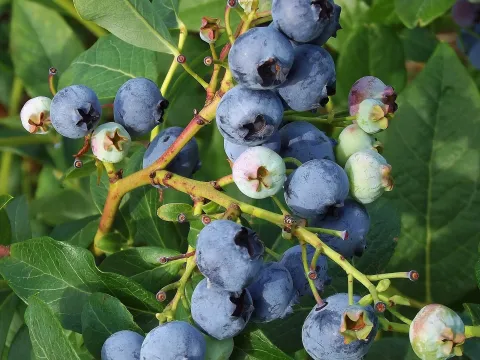
Vaccinium hybrids
Vaccinium hybrids
Hybrids of the genus Vaccinium, which includes popular varieties of blueberries and cranberries, are highly productive agricultural crops belonging to the Ericaceae family. These plants have strict physiological requirements, primarily concerning soil composition and acidity.
What the section contains
Vaccinium hybrids
For successful cultivation, the soil must be highly acidic, typically with a pH range between 3.5 and 4.5. Incorporating organic matter such as peat moss and pine bark into the soil is essential to maintain this acidity and provide the required drainage for healthy root growth.
The crops require consistent moisture levels but are extremely sensitive to waterlogging. Implementing a drip irrigation system is highly recommended to provide uniform water distribution without saturating the soil and risking root rot.
Sunlight exposure is crucial for fruit development and sugar accumulation. These hybrids thrive in full sun locations sheltered from strong, drying winds, which ensures optimal pollination and prevents flower drop during the early stages of fruit development.
Mulching is a standard practice in Vaccinium farming to help retain soil moisture and stabilize root zone temperatures. Using acidic materials like pine needles or wood chips helps preserve the soil pH and suppresses weed growth effectively.
The yield of Vaccinium hybrids is significantly influenced by proper horticultural management and the selection of compatible pollinator varieties. Interplanting different cultivars within the same bloom period typically increases overall fruit set.
Plants generally enter full production around the fifth or sixth year after planting. Maintaining productivity throughout the bush's lifespan requires systematic pruning to remove old, non-productive wood and stimulate the growth of new, fruit-bearing canes.
Optimal nutrition, focusing on acid-loving plant fertilizers, is essential for maximizing output. Avoiding chlorine-based fertilizers is critical, as Vaccinium species are sensitive to salt buildup in the root zone which can hinder nutrient uptake.
Consistent water management during the berry enlargement phase is the most important factor for achieving large fruit size. Even a minor drought during this period can lead to shriveled fruit and a significant reduction in total harvest mass.
Good orchard sanitation and managing fruit load per cane prevent biennial bearing. By thinning excessive flower clusters in high-yielding years, growers ensure the health of the plant and maintain high berry quality for successive seasons.
Pathogenic fungi are the primary threat to Vaccinium plantations. Diseases such as mummy berry, anthracnose, and phomopsis blight can severely impact plant health and harvest potential if left unmanaged in humid environments.
Insect pests, including aphids, leafrollers, and various mites, can damage foliage and stems, affecting the plant's photosynthetic capacity. Regular scouting for early signs of infestation is a vital part of integrated pest management.
Control strategies involve the use of targeted fungicides and, where necessary, insecticides. It is imperative to follow label instructions regarding pre-harvest intervals to ensure the safety and quality of the final consumer product.
Cultural control methods, such as spacing plants correctly to allow for air circulation and removing infected plant tissue, are essential for reducing the spread of diseases within the canopy.
Biological control, such as encouraging beneficial predatory insects, helps manage pest populations sustainably. This approach reduces the reliance on chemical inputs and aligns with modern, environmentally conscious agricultural practices.
Harvesting Vaccinium hybrids requires a selective approach because berries on the same bush may ripen at different times. Skilled harvesting ensures that only fully mature, flavorful berries are selected for the fresh market.
Hand-picking is the preferred method for high-quality fresh market produce, as it protects the delicate waxy bloom (epicuticular wax) on the berries. This bloom is crucial for extending shelf life and maintaining consumer appeal.
Mechanical harvesting is utilized for large-scale production, particularly for fruit destined for the processing industry. This method involves specialized equipment designed to gently shake berries onto collection platforms.
Post-harvest handling is critical for maintaining berry quality. Rapid cooling to 2–4 degrees Celsius immediately after picking slows down respiration and prevents the growth of fungi, significantly extending the produce's shelf life.
Proper logistical management, including the use of breathable containers and temperature-controlled transport, is essential to deliver high-quality berries from the farm to the consumer while minimizing post-harvest losses.