
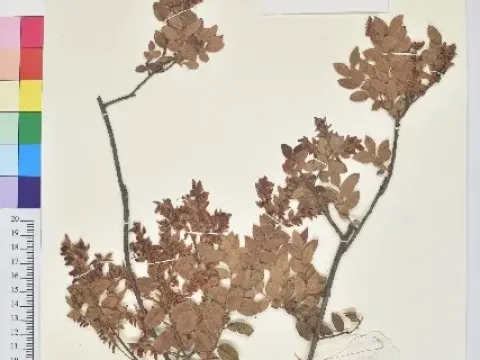
Vaccinium fragile
Vaccinium fragile
Vaccinium fragile is a notable member of the Ericaceae family, known for its specific ecological niche. This evergreen shrub is native to the high-altitude regions of Asia, where it thrives in cool and humid environments.
What the section contains
Vaccinium fragile
The primary cultivation requirement is an acidic soil environment, ideally with a pH between 4.5 and 5.5. Sandy or loamy soils enriched with organic peat are preferred to ensure proper drainage and root aeration.
Climate adaptation is crucial; the plant requires consistent moisture levels throughout the growing season. It performs best in regions that experience mild summers and sufficient rainfall, avoiding prolonged exposure to direct, intense sun.
Botanical characteristics include compact growth, leathery leaves, and small, flavorful berries. The plant's shallow root system necessitates a thick layer of mulch to maintain a stable soil temperature and preserve moisture.
In terms of agricultural use, while primarily harvested in the wild, there is growing interest in integrating Vaccinium fragile into small-scale berry production. It is valued for its unique phytochemical profile and environmental resilience.
The most common threat to Vaccinium fragile is root rot, triggered by poor drainage or excessive soil moisture. Once established, these fungal pathogens can destroy the shallow root system, leading to rapid decline.
Pest pressure often comes from insects like aphids, mites, and various berry-feeding beetles. These pests damage the foliage and developing berries, which necessitates a systematic approach to integrated pest management.
Nutrient imbalance represents a major physiological threat. Specifically, iron deficiency (chlorosis) caused by high soil pH or alkaline water can severely limit growth, leading to yellowing of the leaves and stunted development.
Environmental stressors such as frost or extreme heat during critical phenological stages can impact fruit set. Utilizing shade cloth and protective covers is a recommended practice to stabilize microclimates for the plantation.
Proper sanitation is essential for maintaining plant health. Regularly pruning dead or diseased branches minimizes the buildup of spores and insects, ensuring the longevity of the plant and its productivity.