
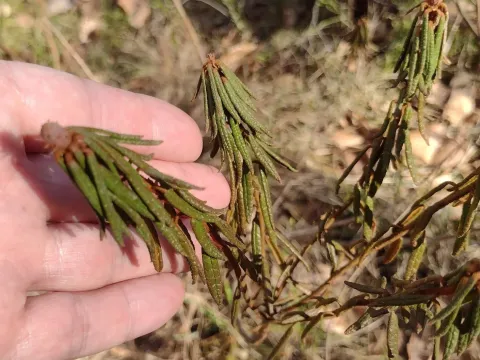
Marsh Labrador tea
Rhododendron tomentosum
Marsh Labrador tea is typically propagated vegetatively, as seed germination is slow and requires very specific, stable environmental conditions. Sowing is best performed in early spring by scattering seeds onto a moist, acidic peat-based surface.
What the section contains
Marsh Labrador tea
Seeds of this species require light to germinate; therefore, they should never be covered with soil or substrate. Maintaining a consistent temperature of around 18 to 20 degrees Celsius is essential for successful seedling establishment during the first few weeks.
Vegetative propagation via semi-hardwood cuttings is the preferred method for commercial cultivation to maintain genetic uniformity. Cuttings should be harvested in late July and rooted in a high-humidity greenhouse environment.
The use of rooting hormones significantly improves the success rate of cuttings. Once roots are established, the young plants should be hardened off and transplanted into nursery beds for at least one year before being placed in their final growing location.
When planting in open fields, it is crucial to ensure each shrub has sufficient space for its shallow root system. A planting density of three to five plants per square meter is generally recommended to prevent overcrowding and ensure adequate airflow.
Marsh Labrador tea, a member of the Ericaceae family, thrives only in highly specific soil conditions characterized by high acidity. A pH level between 3.5 and 4.5 is strictly necessary for optimal nutrient uptake and long-term plant health.
The plant demands a consistently moist, well-draining peat or moss-based substrate that mimics the boggy conditions of its natural habitat. Even short periods of drought can cause severe damage or death to the shallow-rooted plants.
This species performs best in semi-shaded areas, as intense direct sunlight can scorch the evergreen foliage. Providing a shelter against midday sun is a key component of successful site selection and crop management.
Cold hardiness is one of the species' defining features, allowing it to withstand severe winter climates with ease. Applying a layer of pine needle mulch is highly beneficial, as it retains soil moisture and helps maintain the required acidic environment.
Regular fertilization should be handled with extreme care, as common agricultural fertilizers can be toxic to Ericaceous species. Instead, use specialized fertilizers formulated for rhododendrons, which avoid calcium and provide sulfur-based nutrients.
Harvesting for medicinal or commercial use is conducted during the peak flowering stage, when the concentration of essential oils is highest. Only the current season’s leafy shoots, usually the top 10-15 centimeters, are gathered.
Sustainable harvesting practices are essential; harvesters should only cut a portion of the foliage from each plant to ensure the population remains healthy and productive. Mechanical tools must be sharp and sanitized to avoid damaging the main stem.
Freshly harvested plant material is highly perishable and must be moved to the drying facility immediately. Drying should be done in a shaded, well-ventilated area to protect the integrity of the volatile oils contained in the leaves.
The drying temperature must be strictly controlled and kept below 45 degrees Celsius. Exceeding this temperature leads to the loss of key compounds like ledol, which are crucial for the plant's intended therapeutic applications.
Once fully dried, the product should be stored in paper bags within a cool, dark, and dry environment. Properly stored material generally retains its efficacy for up to two years before degradation becomes significant.
Marsh Labrador tea is naturally resistant to most pests due to the strong-smelling essential oils in its tissues. However, improper drainage or overcrowding can lead to increased vulnerability to common fungal pathogens.
Botrytis, or gray mold, is the primary threat to plantations grown under poor ventilation or high-humidity conditions. Ensuring proper spacing between plants is the most effective preventative measure against this fungal infection.
While insect damage is minimal, spider mites may become a localized problem during periods of extreme heat and dry weather. If an outbreak occurs, biological controls or targeted, eco-friendly soaps are preferred over chemical pesticides.
Monitoring for leaf discoloration or wilting should be part of a routine maintenance schedule. Early detection allows for the prompt removal of affected parts, preventing the spread of diseases within the crop plantation.
Healthy plants are best maintained through careful site preparation and adherence to strict watering guidelines. By replicating the natural bog environment, growers minimize the stress that often precedes pest or disease infestations.