
Macleania
Macleania
Macleania is a genus of shrubs belonging to the Ericaceae family. Many species within this genus are epiphytic or hemi-epiphytic, naturally occurring in the cloud forests of the Andes in Central and South America.
What the section contains
Macleania
These plants are biologically adapted to high-moisture environments. They often possess woody, tuberous roots (caudexes) that allow the plant to store water and survive periods of moisture fluctuation within their natural habitat.
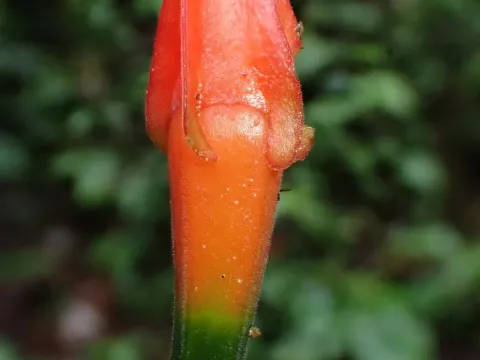
The leaves of Macleania are typically coriaceous, evergreen, and glossy, providing a sophisticated appearance. The flowers are distinctive, tubular, and brightly colored, often attracting nectar-feeding birds in their native range.
Cultivation requires specialized substrates that are acidic, well-draining, and rich in organic matter. A mixture of pine bark, perlite, and peat moss is frequently used to simulate the epiphytic growing conditions of the wild environment.
Environmental conditions must mimic a cool greenhouse or a controlled conservatory. Macleania thrives in bright but indirect sunlight, avoiding the scorching heat of midday, which can severely damage the delicate foliage.
The primary threat to Macleania is root rot caused by improper irrigation and poor substrate drainage. Waterlogged soil prevents oxygenation, leading to rapid tissue death in the plant's sensitive root system.
Pests such as spider mites are common, especially when humidity levels drop below optimal parameters. They feed on the underside of leaves, causing discoloration and eventual drop if not treated promptly.
Scale insects can also infest the stems and leaves, extracting plant sap and weakening the overall vitality of the specimen. Regular inspection of the plant architecture is necessary for early detection of these pests.
Fungal infections, such as powdery mildew, may occur during periods of high humidity combined with poor airflow. Maintaining good circulation is crucial for the overall health and vigor of the plant.
In addition to physical controls, one should ensure that all water used for irrigation is acidic and free of high mineral content to avoid chlorosis. Proper mineral balance is vital for the plant to maintain its characteristic vibrant green color.