
Menziesia
Menziesia
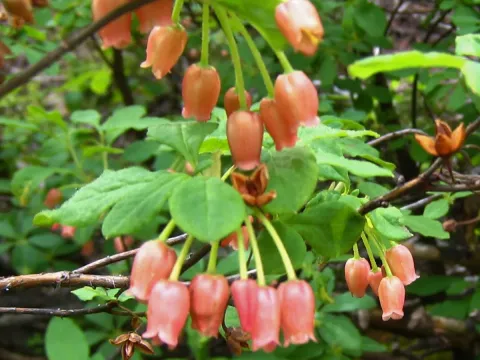
Menziesia is a genus of deciduous shrubs belonging to the Ericaceae family, closely related to rhododendrons and azaleas. These plants are prized by gardeners for their delicate, bell-shaped flowers and attractive foliage during the growing season.
What the section contains


Menziesia
Originating from the cooler, mountainous regions of North America and East Asia, Menziesia thrives in environments that offer high humidity and protection from harsh, drying winds. They are best suited for woodland garden settings.
The success of growing Menziesia depends heavily on soil conditions. The plants require acidic, well-draining soil with an organic content level similar to the forest floor. A pH range of 4.5 to 5.5 is essential to prevent nutrient lock-out.
Watering is a critical aspect of their maintenance. Menziesia prefers consistently moist, but never waterlogged, soil. Establishing a thick layer of pine needle or peat mulch is the best way to maintain soil moisture and acidity levels throughout the year.
In terms of light, these shrubs perform best in dappled shade or positions where they receive morning sun but are protected from the intense heat of the afternoon. This prevents leaf scorch and helps the plant maintain vigor in warmer climates.
Root rot is the most serious threat to Menziesia, usually triggered by poor soil drainage and excessive moisture. To mitigate this risk, always ensure the planting site is elevated or modified with organic material to facilitate water runoff.
Pests such as spider mites and scale insects can attack the foliage, especially in dry, stagnant air conditions. If detected, these pests should be managed with horticultural oils or specific insecticidal soaps to protect the leaves.
Fungal diseases like powdery mildew can appear when humidity is high but air circulation is poor. Keeping the plant crown free of debris and ensuring proper spacing between bushes will help reduce the likelihood of fungal outbreaks.
Leaf chlorosis is an indicator of soil pH imbalances. If the leaves start to yellow, it is a sign that the soil has become too alkaline. Immediate treatment with iron chelates or acidic fertilizers is often required to restore health.
Sanitation is a vital part of threat management. Removing dead or infected branches during the dormant season prevents the spread of pathogens and keeps the shrub in a healthy, productive state for the following year.