
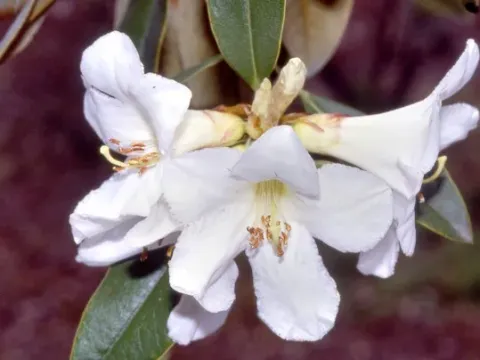
Madden's Rhododendron
Rhododendron maddenii
Madden's Rhododendron (Rhododendron maddenii) is a prestigious evergreen shrub belonging to the Ericaceae family. Originating from the mountainous regions of the Himalayas and parts of China, it thrives in cool, humid environments with protection from harsh environmental elements.
What the section contains
Madden's Rhododendron
The plant demands highly acidic, well-draining soil rich in organic matter. A mixture of peat, pine needles, and sandy loam is often recommended to maintain the ideal pH range between 4.5 and 5.5, which is essential for nutrient uptake.
Light requirements involve dappled shade or indirect sunlight. Exposure to intense afternoon sun can cause leaf scorch, thus placing the plant under the canopy of taller deciduous trees provides the best protection and natural conditions.
Watering protocols are strict; the root zone must remain moist but never waterlogged. Using rainwater or softened water is highly beneficial, as excessive minerals in municipal water supplies can gradually increase soil alkalinity, harming the plant.
Temperature management is critical for this species. It is not frost-hardy in many regions, often requiring cultivation in conservatories or greenhouses during winter months to protect the foliage and developing flower buds from freezing damage.
Root rot caused by Phytophthora species is a major threat in poorly drained soils. Preventing soil compaction and ensuring excellent drainage are the most effective ways to avoid this lethal fungal infection.
Powdery mildew can manifest as a white powdery coating on leaves, particularly in stagnant, humid air. Increasing airflow through careful spacing and strategic pruning helps mitigate the risk of fungal spread throughout the shrub.
Rhododendron lace bugs are common pests that feed on the underside of leaves, causing yellow stippling and eventual leaf drop. Routine inspection and application of appropriate insecticides can manage these populations.
Spider mites thrive in warm, dry environments and can quickly sap the plant's vitality. Regular misting and maintaining proper humidity levels help discourage mite infestations, while horticultural soaps can handle mild outbreaks.
Chlorosis is a physiological disorder often observed when the soil pH is too high, leading to iron deficiency. Monitoring soil acidity and applying iron chelates can restore the deep green color of the foliage and ensure overall plant health.