
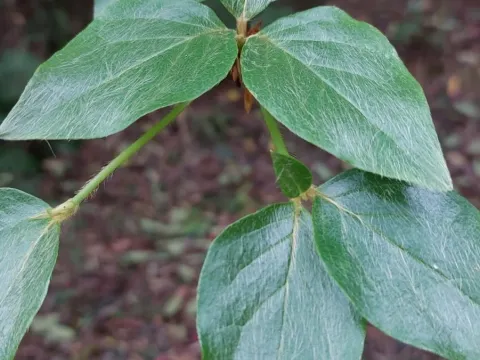
Maries rhododendron
Rhododendron mariesii
Maries rhododendron (Rhododendron mariesii) is a deciduous shrub species belonging to the Ericaceae family. Known for its elegant structure, this plant typically forms a spreading canopy and reaches heights suitable for both garden accents and landscape borders.
What the section contains
Maries rhododendron
Originating from the mountainous regions of China and Taiwan, the species thrives in habitats characterized by high humidity and cool temperatures. It is often found in woodland settings where it benefits from the protection of taller trees.
The culture requires acidic soil conditions with a pH level ranging from 4.5 to 5.5. A well-draining substrate, rich in organic matter such as peat or leaf mold, is essential to sustain healthy root development and prevent stagnant moisture.
Optimal growth is achieved in locations providing bright, filtered sunlight. While the plant appreciates moderate exposure, it is sensitive to intense heat and direct sunlight during the afternoon, which can lead to leaf dehydration and scorching.
Maintenance of soil moisture is a critical aspect of agricultural practice for this species. During the growing season, consistent watering coupled with a thick layer of organic mulch helps maintain soil acidity and thermal stability for the root system.
The species is susceptible to various fungal pathogens, with Phytophthora root rot being one of the most serious threats. This condition is usually triggered by poor drainage or excessive soil moisture during dormant periods.
Pest pressures often include the rhododendron lace bug and spider mites. These pests thrive in dry conditions and can cause significant damage to foliage by feeding on cell sap, leading to chlorotic spots and premature leaf abscission.
Powdery mildew may also occur in environments with poor air circulation. Regular pruning to thin out the dense inner branches helps improve airflow and reduces the risk of fungal outbreaks within the foliage.
Nutrient deficiencies, particularly iron, often manifest as interveinal chlorosis. This is commonly observed when the soil pH rises above the ideal range, preventing the plant from absorbing necessary micronutrients effectively.
- Phytophthora root rot
- Powdery mildew
- Rhododendron lace bug
- Spider mites