
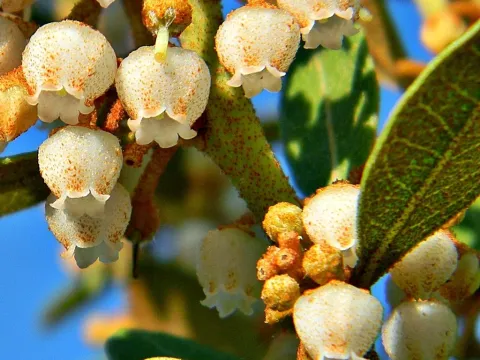
Lyonia
Lyonia
Lyonia is a genus of shrubs and small trees belonging to the Ericaceae family, widely known for their ornamental value. These plants share cultural similarities with other acid-loving shrubs like Pieris and Andromeda, requiring specific site preparation.
What the section contains


Lyonia
The natural distribution of the genus spans across North America and East Asia. They are adapted to temperate climates and thrive in cool, moist environments where the soil remains consistently acidic and rich in organic matter.
Soil requirements are critical for the successful establishment of Lyonia. A pH level between 4.5 and 5.5 is necessary. In soils that are too alkaline, the plant will struggle to absorb minerals, leading to chlorosis and potential long-term stunted growth.
Planting location should be carefully selected to provide partial shade. While they can tolerate some sun in cool northern regions, intense heat combined with direct midday sunlight often results in scorched foliage and increased water stress.
Maintenance involves routine irrigation during dry spells. Mulching with acidic materials such as pine needles or shredded bark is a standard practice to suppress weeds, retain soil moisture, and naturally maintain the required acidic environment for the roots.
Root rot caused by Phytophthora species is the most significant threat to Lyonia health. It primarily occurs in heavy, compacted soils with poor drainage, making it essential to amend planting sites to ensure excess water can move away from the root zone.
Pest issues are generally minor but may include infestations of lace bugs or spider mites during periods of high heat and low humidity. Monitoring the underside of leaves for early signs of damage allows for targeted and effective intervention.
Fungal leaf spot diseases can affect the plant during wet, humid summers. Good air circulation and avoiding overhead watering are effective preventive measures that reduce the incidence of infection on the foliage.
Frost damage can occur on tender new growth if an unexpected late spring freeze happens. While established plants are hardy, mulching in late autumn helps insulate the ground and protects the root system from deep soil freezing.
Nutrient deficiency, specifically of iron, often presents as yellowing leaves with green veins. This condition is almost always linked to soil pH drift and can be corrected by applying chelated iron and re-acidifying the growing medium.