
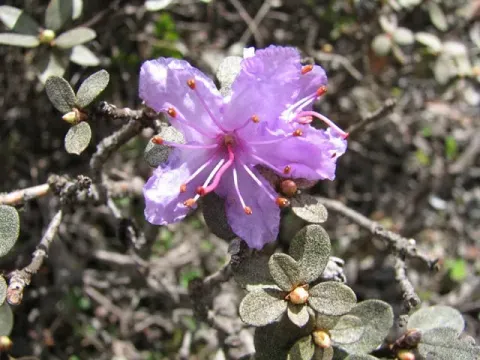
Rhododendron tapetiforme
Rhododendron tapetiforme
Rhododendron tapetiforme is a compact, mat-forming shrub belonging to the Ericaceae family, known for its ability to thrive in harsh alpine environments.
What the section contains
Rhododendron tapetiforme
Native to high-altitude regions of Tibet and the Himalayas, the plant has evolved to colonize rocky crevices and poor, acidic soils, making it an excellent choice for specialized rock gardens.
To successfully cultivate this species, it is essential to provide an acidic, well-draining, and humus-rich substrate that mimics its natural, high-altitude habitat conditions.
This species requires partial shade, particularly during the hottest parts of the day, to prevent heat stress and desiccation of its delicate evergreen foliage.
The botanical structure of this rhododendron features dense branching, which allows it to hug the ground, minimizing water loss and providing resilience against heavy snowfall.
The primary threats to Rhododendron tapetiforme are root-borne fungal diseases such as Phytophthora, which thrive in waterlogged or poorly aerated soils.
Insect pests including rhododendron bugs and spider mites are common concerns that can cause leaf chlorosis and weaken the plant's overall vigor during periods of drought.
Maintaining proper pH levels between 4.5 and 5.5 is crucial, as alkalinity induces nutrient deficiencies that make the plant more susceptible to opportunistic pathogens.
Cultural control measures, such as mulching with pine needles, help regulate soil moisture and temperature while creating an environment unfavorable for certain soil-dwelling pests.
Regular inspection of the underside of leaves is recommended for early detection of pest infestations, allowing for targeted treatment without the excessive use of pesticides.