
Rhododendron taliense
Rhododendron taliense
Rhododendron taliense is a unique, evergreen shrub belonging to the Ericaceae family. Originally native to the high-altitude mountain ranges of Yunnan, China, it is well-regarded for its compact, resilient structure and high tolerance for cold environments.
What the section contains
Rhododendron taliense
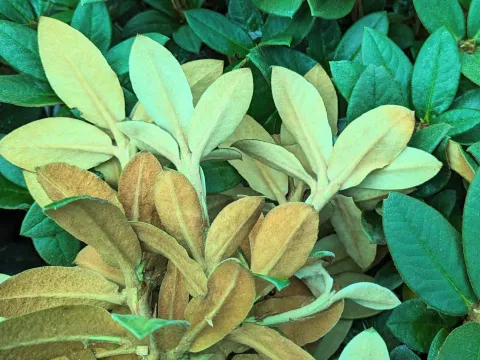
Botanically, this species is defined by its thick, leathery leaves covered with a dense indumentum on the underside. This characteristic woolly covering is an evolutionary adaptation that helps the plant manage transpiration in the harsh, high-mountain climate where it naturally flourishes.
To cultivate this species successfully, gardeners must mimic its alpine origins. This involves providing a cool, stable climate with high ambient humidity. The plant does not thrive in dry, scorching heat and should be positioned in a location with dappled shade or protection from direct noon sunlight.
Soil composition is critical for this species. It requires acidic, well-draining, and organic-rich soil. Amending the planting hole with pine bark, peat moss, or leaf mold is recommended to maintain the necessary acidity and structure required for healthy root development.
Agronomic management requires consistent moisture levels. The root zone should never dry out completely, but neither should it remain waterlogged. Using an organic mulch layer is highly advised to help regulate soil temperature, suppress weeds, and provide additional organic matter over time.
The primary threats to Rhododendron taliense often stem from environmental stress and poor soil management. Root rot caused by Phytophthora species is a major risk, particularly in heavy soils that do not allow for adequate water drainage.
Pest issues may include infestations by rhododendron bugs or various mites, which can disfigure the leaves and reduce the plant's overall vigor. Monitoring for signs of chlorosis or leaf curling is essential for early intervention and effective plant health management.