
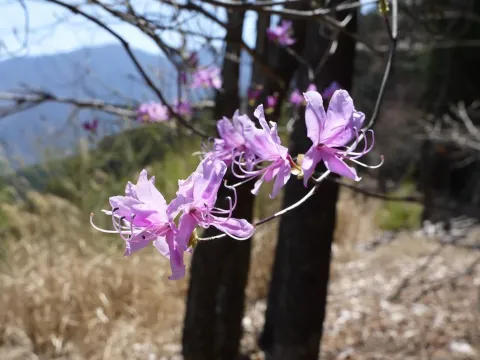
Rhododendron pentaphyllum
Rhododendron pentaphyllum
Rhododendron pentaphyllum is a deciduous shrub belonging to the Ericaceae family. Native to the mountainous forests of Japan, this plant has adapted to cool, moist environments where the canopy provides dappled sunlight and protection from harsh elements.
What the section contains
Rhododendron pentaphyllum
The primary requirement for successful cultivation is the soil composition. It demands an acidic soil profile with a pH between 4.5 and 5.5, rich in organic matter and well-drained. Compaction or waterlogged conditions are lethal to the root system and must be strictly avoided.
Climatic requirements focus on humidity and temperature stability. The species thrives in regions with moderate temperatures and consistent moisture levels. Exposure to intense, direct afternoon sun can scorch the leaves, while cold winds can cause significant winter desiccation.
Botanically, the plant is identified by its foliage arrangement, where leaves appear in whorls of five at the ends of the branches. This structural characteristic, combined with its striking spring display of rose-pink to magenta flowers, gives the plant high aesthetic value.
In terms of economic and practical use, it serves exclusively as an ornamental specimen. It is highly sought after by landscape designers for inclusion in woodland gardens, rockeries, or shaded border plantings, provided that the soil is carefully managed to match its specific needs.
The plant is susceptible to common Ericaceous diseases such as Phytophthora root rot and grey mold. These issues are typically exacerbated by poor soil drainage and stagnant air circulation around the canopy, necessitating proper spacing and soil amendments.
Pest management is focused on controlling the rhododendron lace bug and spider mites. These pests thrive in dry conditions and feed on the underside of leaves, causing chlorosis and a general decline in the plant's health, which requires vigilance during the peak growing season.