
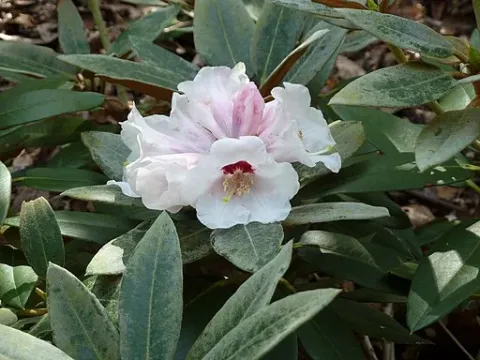
Rhododendron pachysanthum
Rhododendron pachysanthum
Rhododendron pachysanthum is a striking member of the Ericaceae family. It is highly prized by collectors for its thick, woolly indumentum on the leaves, which provides unique texture throughout the season.
What the section contains
Rhododendron pachysanthum
This species is native to the high-altitude mountain forests of Taiwan. In horticultural practice, it thrives in cool, humid temperate zones and requires dappled shade to protect its foliage from intense heat.
The success of this culture depends on soil conditions; it strictly requires acidic, well-draining soil with a pH level between 4.5 and 5.5. Organic matter, such as peat or leaf mold, should be incorporated into the planting pit.
Water management is critical for Rhododendron pachysanthum. While it needs consistent moisture, stagnant water is fatal. Proper soil aeration and professional-grade drainage are essential to prevent root rot.
During the dormant season, the plant benefits from protection against cold winds. In colder climates, covering the crown with horticultural fleece helps to prevent desiccation of the evergreen leaves.
The primary pathological threats to this species include Phytophthora root rot and powdery mildew. These diseases are usually triggered by poor air circulation and excessive moisture in the root zone.
Insect pests such as the rhododendron bug and spider mites are frequent invaders. They feed on the underside of leaves, leading to stunted growth and loss of the plant's ornamental appeal.
Regular sanitation, such as removing fallen leaves and pruning dead wood, significantly reduces the risk of pest outbreaks and fungal infections during the growing season.
If an infestation occurs, targeted application of environmentally safe insecticides or horticultural oils is recommended to manage the population while preserving plant health.
Integrated pest management also suggests using mulch made from pine bark, which maintains the required soil acidity and prevents the soil surface from compacting or drying out.