
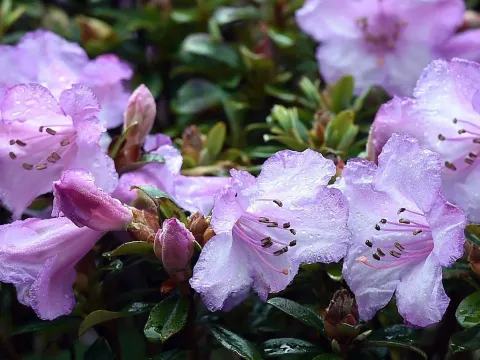
Rhododendron pemakoense
Rhododendron pemakoense
Rhododendron pemakoense is a dwarf evergreen shrub belonging to the Ericaceae family. Known for its mat-forming growth habit, it typically reaches a height of only 20 to 50 centimeters, making it an excellent choice for rock gardens.
What the section contains
Rhododendron pemakoense
This species originates from the high-altitude regions of the Himalayas and Tibet. Its natural habitat is characterized by cool temperatures, high air humidity, and well-drained, acidic soil rich in organic humus.
Success in cultivation depends on providing an environment that mimics its native mountain conditions. The soil must be acidic (pH 4.5–5.5), porous, and free of heavy clay that could lead to root asphyxiation and subsequent rot.
In terms of light exposure, this rhododendron thrives in partial shade or dappled sunlight. Full sun, particularly in hot summer regions, can scorch the foliage and cause severe moisture stress to the plant.
Regular hydration is essential throughout the growing season, although the substrate should never be waterlogged. Applying a thick mulch layer of pine needles or bark helps maintain soil moisture and protects shallow roots from temperature fluctuations.
The primary threats to this species include fungal infections such as Phytophthora root rot, which is common in poorly drained substrates. Proper drainage management is the most effective preventative measure.
Leaf spots caused by various fungi can occur during humid, stagnant periods. Sanitation, which involves removing infected leaves and branches, helps keep the disease pressure low and prevents further spread within the plant.
Pests such as the rhododendron bug, spider mites, and aphids can infest the plant, causing discoloration and weakening of the foliage. Regular inspection of the underside of leaves is recommended for early detection.
Chemical control involving systemic insecticides may be necessary during severe infestations. However, it is important to follow manufacturer instructions carefully to avoid phytotoxic damage to the delicate leaves of the plant.
Maintaining strong plant health through proper site selection and balanced fertilization with ericaceous-specific formulas is the best strategy for avoiding common diseases and pest outbreaks.