
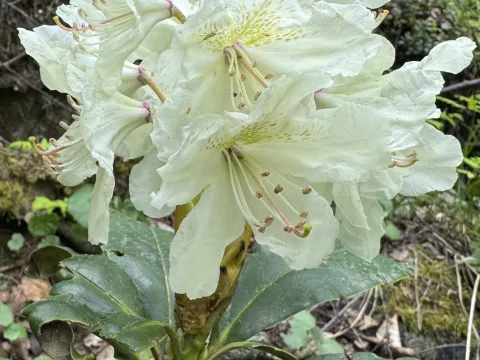
Caucasian rhododendron
Rhododendron caucasicum
Propagation of Rhododendron caucasicum is primarily achieved through cuttings, as growing from seeds is a slow and demanding process. Late June is the ideal time to take semi-hardwood cuttings, which have a better chance of rooting successfully.
What the section contains
Caucasian rhododendron
For seed sowing, use a well-draining substrate composed of peat, sand, and pine needles. Maintain a constant temperature between 18 and 20 degrees Celsius, ensuring that the seeds are not buried but merely pressed onto the surface.
Seedlings require a high-humidity environment, often provided by covering the container with glass or plastic. Daily ventilation is crucial to prevent damping-off diseases, which can quickly destroy an entire batch of young plants.
Pricking out the seedlings should be done only when they are strong enough, usually after the development of several true leaves. This delicate procedure requires patience and specialized tools to avoid damaging the underdeveloped root system.
Young plants should be cultivated in a controlled nursery or greenhouse environment for at least two years before being considered robust enough for transplantation into permanent outdoor locations.
Rhododendron caucasicum belongs to the Ericaceae family and is native to high-altitude mountain regions. It thrives in cool climates and prefers shaded or semi-shaded sites sheltered from direct, scorching sun and strong winds.
Soil acidity is a non-negotiable requirement; the plant demands a pH level between 4.5 and 5.5. A mixture of acidic peat, forest soil, and pine bark creates the ideal growing medium, ensuring proper drainage and aeration.
Proper hydration is essential, yet the plant is sensitive to waterlogging. It is critical to use soft, acidified water, as tap water with high lime content can lead to nutrient deficiencies and leaf chlorosis over time.
High air humidity is beneficial for the Caucasian rhododendron. In dry summer months, gardeners should use misting systems to keep the foliage hydrated and prevent the leaves from curling due to heat stress.
Mulching the root zone with pine needles or wood chips is highly recommended. This practice retains soil moisture, regulates temperature, and helps maintain the necessary soil acidity as the organic matter slowly decomposes.
Phytophthora root rot is one of the most severe threats to this species, usually caused by stagnant water in the soil. Once the roots are affected, the plant often wilts suddenly and becomes difficult to save.
Leaf spots and rust fungi frequently attack the foliage, especially during seasons with high rainfall. Maintaining good airflow by spacing plants appropriately and removing dead or diseased branches helps minimize these fungal risks.
The rhododendron leafhopper is a common pest that sucks sap from the leaves, leaving unsightly yellow patches and causing curling. Early detection and the use of targeted insecticides are necessary to keep the population under control.
Spider mites are another common nuisance in dry weather. These pests thrive in hot, arid conditions, so keeping the plant hydrated and using neem oil or mild acaricides can effectively protect the bush from damage.
Regular sanitation, including the removal of debris from the base of the plant, is a vital part of pest management. Keeping the area clean significantly reduces the places where pathogens and harmful insects overwinter.