
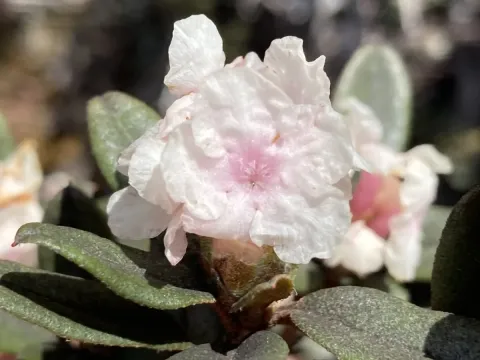
Rhododendron anthopogon
Rhododendron anthopogon
Rhododendron anthopogon is a small, evergreen shrub belonging to the Ericaceae family. It is native to the alpine regions of the Himalayas, Tibet, and Nepal, naturally occurring at high elevations where the environment is characterized by cool temperatures and significant precipitation.
What the section contains
Rhododendron anthopogon
Botanically, this species is noted for its aromatic, leathery leaves with scaly undersides. Its flowers typically appear in small, dense clusters, ranging in color from creamy-white to soft yellow or pink, providing a delicate display during the blooming season.
Cultivation requires specific environmental conditions, primarily acidic soil that is well-drained and high in organic matter. The roots are sensitive to waterlogging, necessitating the inclusion of gravel or perlite in the planting hole to ensure proper drainage.
The plant thrives in cool, humid climates with protection from harsh afternoon sunlight. In garden settings, providing partial shade and a thick layer of pine bark mulch helps regulate soil temperature and retain necessary moisture for healthy growth.
In terms of practical use, it is primarily cultivated as an ornamental plant for rock gardens and alpine collections. Its dwarf habit makes it a perfect candidate for containers or as a focal point in specialized landscape designs.
Common health issues for this species include fungal diseases such as leaf spot, rust, and Phytophthora root rot, which are often exacerbated by poor soil aeration and excessive moisture levels.
Pests that frequently threaten Rhododendron anthopogon include rhododendron bugs, spider mites, and vine weevils, which can cause significant damage to foliage and hinder the plant's overall vigor.
Management strategies involve rigorous sanitation, such as removing fallen leaves and pruning infected stems, combined with the application of appropriate systemic fungicides during the early stages of infestation.
Insecticide treatment is recommended only when pest levels exceed economic thresholds, preferably using targeted, environmentally conscious products to preserve beneficial insects in the garden.
Ensuring optimal air circulation and maintaining proper soil pH are key cultural practices that significantly reduce the plant's susceptibility to common pathogens and pests.