
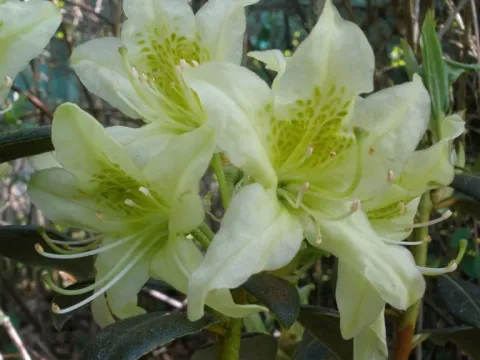
Rhododendron ambiguum
Rhododendron ambiguum
Rhododendron ambiguum is an evergreen shrub species belonging to the Ericaceae family. Native to the mountainous regions of Sichuan, China, it is highly regarded in horticulture for its upright habit and pale yellow, bell-shaped flowers that bloom in the spring.
What the section contains
Rhododendron ambiguum
Botanically, this shrub typically reaches a height of 1 to 2 meters. Its leaves are distinctively lepidote (scaly) on both surfaces, which is a key identifying characteristic. The plant performs best in environments that mimic its natural alpine forest habitat, characterized by cool temperatures and high humidity levels.
Cultivation success relies heavily on soil conditions. Rhododendrons require highly acidic, well-draining, and moisture-retentive soil. In agricultural and garden settings, gardeners often utilize a mix of peat moss, pine bark, and perlite to ensure optimal root aeration while maintaining the necessary acidity levels.
The plant thrives in partial shade, particularly avoiding the intense afternoon sun that can scorch its foliage. Consistent moisture is essential during the growing season; however, it is critical to avoid waterlogging, as the species is highly susceptible to root rot in stagnant, anaerobic conditions.
This shrub is primarily used in decorative landscaping, often positioned in woodland gardens, rockeries, or alongside other acid-loving plants. Its compact size and aesthetic appeal make it a popular choice for collectors interested in diverse rhododendron species that offer seasonal interest through both foliage and bloom.
Common threats to this species include soil-borne pathogens such as Phytophthora, which can cause severe root and crown rot. Maintaining good soil drainage and avoiding overhead watering during humid periods are vital preventative measures to keep the shrub healthy.
Insect pests such as rhododendron bugs and spider mites are frequent invaders. These pests typically damage leaves by piercing them to feed on sap. Management includes monitoring for yellow stippling on leaves and applying targeted acaricides or insecticides when necessary to minimize damage to the plant's health.