
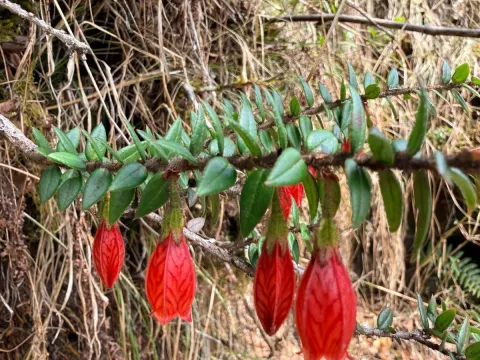
Agapetes serpens
Agapetes serpens
Agapetes serpens is a fascinating epiphytic shrub belonging to the Ericaceae family, native to the high-altitude forests of the Himalayas. Its unique growth habit involves trailing stems and tuberous roots adapted to survive on tree branches or rocky crevices.
What the section contains
Agapetes serpens
Successful cultivation requires a climate that mimics its native environment, characterized by high atmospheric humidity and moderate temperatures. It thrives in conditions where the air temperature stays between 18 and 24 degrees Celsius during active growth.
The substrate must be extremely well-draining, similar to mixes used for epiphytic orchids. A blend of pine bark, perlite, sphagnum moss, and acidic peat provides the necessary aeration and moisture-retention balance for the delicate root system.
Light levels are crucial for the development of its signature pendant flowers. While it requires bright light, direct exposure to harsh midday sun must be avoided to prevent foliar damage and drying of the sensitive stems.
Watering frequency should be adjusted based on the season, with a significant reduction during the winter dormancy period. Using filtered or rainwater is recommended to avoid the accumulation of minerals that can harm the plant over time.
Spider mites are the most common pest, especially in indoor environments where the air is consistently dry. Regular misting and proper ventilation are essential preventative measures against these microscopic threats.
Root rot is the primary physiological disorder caused by overwatering or poor drainage. Once the tuberous root system is damaged by waterlogging, recovery is difficult, making irrigation management the top priority for growers.
Mealybugs can occasionally infest the plant, hiding in the leaf axils and along the stems. Careful manual removal or the application of appropriate systemic insecticides can control these populations effectively.
Fungal infections, including leaf spots, may emerge if the plant is kept in stagnant, humid air without adequate airflow. Promoting good air circulation helps maintain the health of the foliage and prevents spore germination.
Nutrient deficiencies often manifest as chlorosis if the pH of the growing medium is not maintained in the slightly acidic range. Using fertilizers formulated for acid-loving Ericaceous plants helps ensure optimal health.