
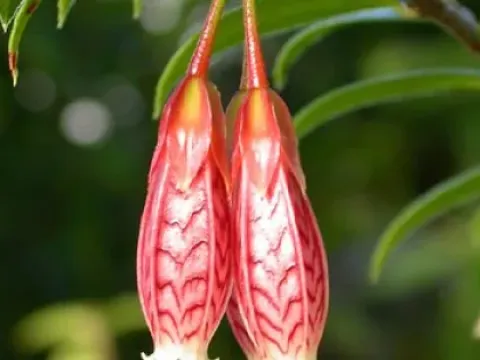
Agapetes
Agapetes
Agapetes is a fascinating genus of evergreen shrubs belonging to the Ericaceae family, widely known for their unique hanging bell-shaped flowers. Many species in this genus are epiphytic, naturally occurring in the cool, moist forests of the Himalayas and Southeast Asia.
What the section contains
Agapetes
Successful cultivation of Agapetes requires a deep understanding of their epiphytic nature. These plants do not thrive in standard potting soil; they perform best in a very loose, chunky mix consisting of orchid bark, perlite, and sphagnum moss to provide excellent drainage and aeration.
Temperature management is crucial for the health of Agapetes. They prefer temperate conditions, typically ranging from 18°C to 24°C during the day. Keeping the nighttime temperatures slightly cooler helps promote bud set and vibrant flowering cycles.
Humidity is the most critical environmental factor. As rainforest plants, they require high humidity levels to maintain their turgidity. In an indoor or greenhouse setting, using a humidifier or a pebble tray is highly recommended to mimic their native atmosphere.
Watering practices must be disciplined. While the plants appreciate consistent moisture, the roots must never sit in standing water. Always ensure the substrate is moist but not saturated, and use distilled or rainwater to avoid mineral buildup, which the plants are sensitive to.
Pest pressure on Agapetes includes common greenhouse pests such as spider mites, which thrive in low-humidity zones. Mites can quickly drain the plant's vigor, causing stippling on the leaves and eventually leaf drop if left unmanaged.
Scale insects and mealybugs can also infest the succulent stems and leaf axils. Regular inspection is necessary, as these pests can be well-hidden. Manual removal or the use of horticultural oils can effectively manage localized outbreaks.
Fungal issues, specifically root rot, are often a symptom of poor drainage or overwatering. If the substrate breaks down and compacts over time, it must be replaced to prevent the accumulation of pathogens that attack the sensitive root hair system.
Poor air circulation can lead to powdery mildew on the foliage, especially in stagnant greenhouse environments. Providing adequate space between plants and using small fans to keep air moving helps prevent fungal spores from settling.
Maintaining plant hygiene by pruning dead or dying branches prevents secondary infections. Regular monitoring and integrated pest management are the keys to keeping Agapetes healthy and vibrant throughout the year.