
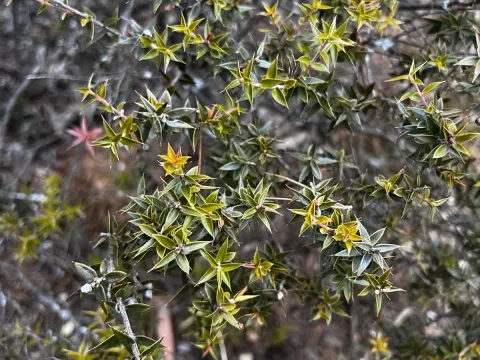
Acrotriche
Acrotriche
Acrotriche is a genus of shrubs belonging to the Ericaceae family, native primarily to the diverse ecosystems of Australia. These plants are scientifically recognized for their specific adaptation to nutrient-poor soils and unique ecological niches found across the continent.
What the section contains


Acrotriche
The successful cultivation of Acrotriche requires well-drained, acidic soil conditions. It is essential to avoid sites with poor aeration, as the root systems of these shrubs are highly susceptible to rot if water stagnation occurs, even for short periods during the active growth phase.
Climate preferences for this plant involve moderate temperatures and sufficient protection from harsh, direct sunlight. While they are adapted to various Australian environments, they generally perform best when provided with partial shade or filtered light to prevent the scorching of their foliage.
Maintaining a steady moisture balance is crucial, as Acrotriche does not tolerate drought as well as some other sclerophyllous plants. Applying a layer of organic mulch around the base helps retain consistent soil moisture and keeps the roots cool during the warmer months of the year.
Regarding fertilization, the species is sensitive to high phosphorus levels, which can lead to toxicity symptoms. Gardeners and growers should prioritize slow-release organic fertilizers that match the plant's natural slow-growth cycle, ensuring sustainable development without damaging the root system.
Root pathogens are the most significant threats to the health of Acrotriche, usually triggered by over-irrigation or heavy, clay-rich soils. Proactive management of the drainage system is the most effective way to prevent these fungal infections from compromising the shrub's longevity.
In terms of pests, spider mites can pose a risk when the plant is kept under suboptimal conditions, particularly in low-humidity environments. Regular inspection and maintaining good air circulation around the canopy are sufficient to manage these risks without heavy reliance on chemical pesticides.