
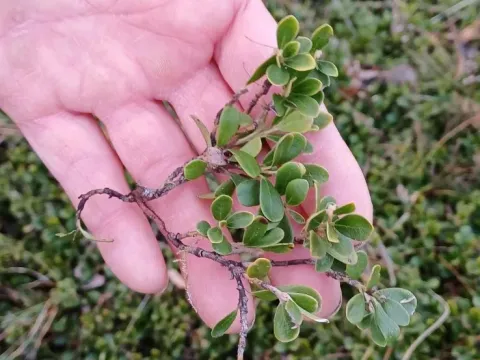
Alpine bearberry
Arctostaphylos alpina
Alpine bearberry (Arctostaphylos alpina) is a perennial deciduous shrub belonging to the Ericaceae family. It is known for its low-growing, prostrate habit, rarely exceeding a height of 15 centimeters, making it an excellent groundcover in suitable climates.
What the section contains
Alpine bearberry
The plant originates from the arctic and subarctic regions of the Northern Hemisphere, showing a remarkable adaptation to tundra environments and rocky mountain terrain. It flourishes where other vegetation struggles to survive.
To cultivate this species, one must provide acidic, well-drained, and nutrient-poor soils. Alpine bearberry is exceptionally hardy against freezing temperatures but is highly susceptible to root damage caused by waterlogged soils or poor aeration.
Full sun exposure is a critical requirement for this plant. It does not tolerate shade or competition from taller plant species, which can quickly overtop and suppress its growth. It is best suited for rock gardens or specialized cold-climate cultivation plots.
The species possesses significant botanical value due to its unique leaf morphology and vivid autumn colors. Its berries are edible and have been traditionally used by northern populations, adding potential agricultural value to its role as a decorative plant.
The primary threats to Arctostaphylos alpina are pathogenic fungi, which thrive under conditions of high humidity and poor air circulation. Root rot and damping-off disease are common issues in managed landscapes if drainage is inadequate.
Foliar fungal diseases, such as leaf spots, can compromise the plant's health and aesthetic appeal during wet seasons. Preventive measures include maintaining adequate spacing between individual plants to promote drying of the foliage.
Insects, particularly aphids and certain lepidopteran larvae, can cause defoliation if left unchecked. While the plant is robust in its natural habitat, cultivated specimens may lack the natural defenses required against diverse garden pests.
Small mammals and rodents can cause significant mechanical damage to the stems and bark during winter months, especially when deep snow cover is absent. Protection via physical barriers is recommended in susceptible areas.
Excessive use of chemical fertilizers is considered a threat, as the plant relies on a specialized mycorrhizal relationship for nutrient uptake. Using standard agricultural fertilizers can cause nutrient toxicity and effectively destroy the beneficial symbiosis.