
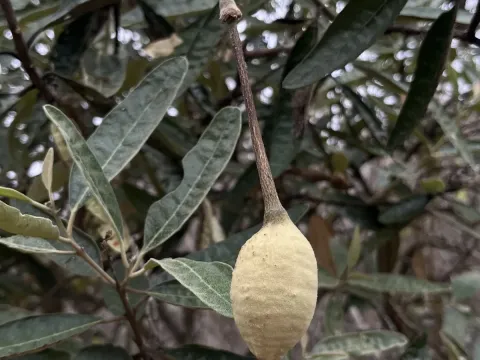
Capparis scabrida
Capparis scabrida
Sowing of Capparis scabrida in its natural habitat typically follows the rainy season when soil moisture is sufficient to support germination. In agricultural practice, seed scarification is often recommended to overcome the physical dormancy caused by a thick seed coat.
What the section contains
Capparis scabrida
The seeds should be sown in well-drained nursery beds or directly into soil with high aeration. An optimal germination temperature range is between 20°C and 25°C, ensuring a successful emergence of sprouts within two to three weeks.
Depth control during sowing is critical; seeds should be placed no deeper than 1–2 centimeters. Excessive depth can prevent the sprout from reaching the surface and may lead to pre-emergence damping-off.
Seedlings require careful water management during their early growth stages. While they need moisture for establishment, they are highly sensitive to waterlogging, which quickly damages delicate roots.
Transplanting to a permanent location should occur when the plants have reached the 3–4 true leaf stage. Using biodegradable pots helps minimize root disturbance, which is a common stressor during the relocation of this species.
Capparis scabrida belongs to the Capparaceae family and is a true xerophyte, well-adapted to hot, arid climates. The plant thrives in full sun, which is essential for vigorous vegetative growth and subsequent flowering.
Soil requirements are relatively specific: the plant prefers sandy, rocky, or well-aerated substrates. Poor drainage is the most significant factor that limits its successful cultivation, as the roots are highly susceptible to rot.
The species demonstrates excellent tolerance to saline soils and a broad pH range, typically flourishing in neutral to slightly alkaline environments. This makes it an ideal candidate for cultivation in degraded or semi-arid agricultural lands.
Native to the arid regions of South America, specifically Peru, the plant is biologically designed to survive high daily temperature fluctuations and extended dry periods.
Mulching is a highly recommended agronomic practice. It keeps the root zone cool during extreme heat and helps conserve soil moisture, reducing the need for intensive irrigation systems.
The economic yield of Capparis scabrida is primarily determined by the volume and quality of flower buds produced. Mature bushes begin to yield harvestable quantities in their second or third year of growth.
Regular pruning is a vital agronomic task to maximize production. By cutting back old branches, farmers stimulate the growth of new shoots, which are the only sites where new flower buds are generated.
Buds must be harvested when they are firm and tightly closed. The timing of the harvest is crucial; if left too long, the buds will open into flowers, losing their commercial value for culinary use.
With correct spacing and irrigation management, a single productive bush can yield several kilograms of buds per season. This provides a sustainable income stream over a lifespan that can reach 15 years.
Sustainable productivity requires monitoring the plant's health to ensure that energy is directed towards bud formation rather than excessive vegetative growth, which can be managed through balanced nutrient application.
Fungal diseases are the primary threat to Capparis scabrida plantations, especially when management practices inadvertently lead to high humidity around the root system. Proper site selection is the first line of defense.
Aphids are the most common insect pests, feeding on young tender tissues and buds. If not controlled, they can cause significant deformation and reduced bud quality. Integrated pest management using biological controls is preferred.
Defoliating insects can occasionally cause damage, reducing the plant's photosynthetic capacity and energy reserves. Regular scouting of the field is necessary to apply timely, localized interventions.
Nematodes pose a hidden threat in some sandy soils. Ensuring the use of certified disease-free planting material and adhering to strict crop rotation protocols helps prevent the accumulation of soil-borne pathogens.
Overall immunity is maintained through a combination of dry-land farming techniques and avoiding over-fertilization, which tends to make the plants more attractive to certain types of pests.
Harvesting Capparis scabrida is labor-intensive and must be performed entirely by hand. The delicate nature of the buds makes large-scale mechanization unfeasible, requiring careful manual collection.
Workers must pick the buds on a daily or bi-daily basis during the peak blooming season. This ensures that only buds of the optimal commercial size are selected, maintaining product quality standards.
Post-harvest, the buds are sorted by caliber. Uniformity is a key marketing requirement, with smaller, firmer buds usually fetching higher prices in the gourmet market.
Immediate preservation is necessary after harvest. The most common method involves pickling in brine or vinegar, which halts the development of the bud and locks in the flavor and texture profile.
Effective post-harvest logistics ensure that the product retains its high quality from the field to the processing facility, maximizing the return on the labor invested in the cultivation cycle.