
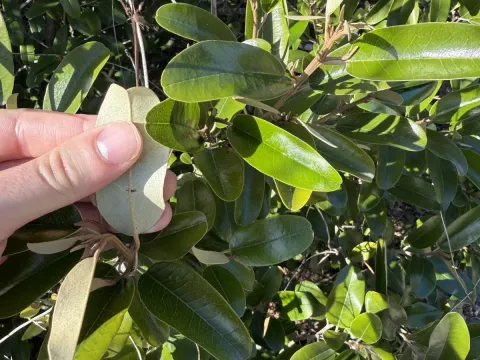
Capparis cynophallophora
Capparis cynophallophora
Capparis cynophallophora is an evergreen shrub or small tree belonging to the Capparaceae family. It is native to the tropical regions of the Caribbean and Central America, where it thrives in diverse environments, from coastal zones to dry forest edges.
What the section contains
Capparis cynophallophora
The plant requires high levels of solar radiation and well-drained soil to thrive. It is exceptionally tolerant of nutrient-poor, rocky, and sandy soil types, making it a hardy species in regions where other vegetation struggles to establish itself.
Climate requirements include constant warm temperatures, as the plant lacks tolerance for frost. It prefers stable tropical climates with distinct wet and dry seasons, allowing the plant to enter a resting phase that is crucial for subsequent flowering cycles.
Botanically, it is characterized by beautiful nocturnal white flowers that exhibit long, showy stamens. The plant produces pod-like fruits that eventually split open, revealing seeds embedded in a pulp that aids in natural dispersal through local wildlife.
Economically, the plant is valued for its potential medicinal properties and its role in sustainable landscaping in arid tropical zones. It is recognized for its drought-tolerant nature, which is an important trait for modern agroforestry systems in sensitive climate zones.
The primary threats to the health of this species are related to improper water management. Root rot is a significant danger if the soil drainage is inadequate, leading to the rapid decline of the plant’s vigor and eventual death.
Common pests such as aphids and scale insects are known to infest the plant, particularly in sheltered or poorly ventilated areas. These pests feed on the nutrient-rich sap, causing leaf yellowing and stunted growth of the younger foliage.
Spider mites can become problematic during extended hot and dry periods. They create fine webs and cause stippling on the leaves, which significantly reduces the photosynthetic capacity of the plant and leaves it vulnerable to secondary infections.
Effective management strategies emphasize prevention through balanced nutrition and proper spacing between individual plants to ensure air circulation. Keeping the foliage dry during humid nights can also help prevent the onset of various fungal leaf spot diseases.
If chemical intervention is required, it is essential to use selective insecticides that minimize impact on beneficial insects. Integrated pest management, focusing on early detection and physical removal of infested shoots, is the most recommended approach for smaller stands.