
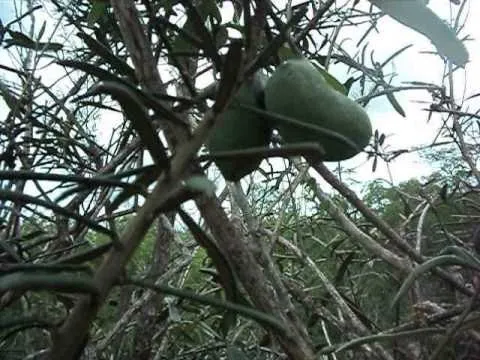
Capparis yco
Capparis yco
Capparis yco belongs to the Capparaceae family and is a perennial woody shrub characterized by extreme resilience to arid environmental conditions.
What the section contains
Capparis yco
Originating from the dry regions of South America, this plant is well-adapted to environments with prolonged periods of drought and high evapotranspiration rates.
Cultivation requires soils with excellent drainage, preferably sandy or rocky substrates with an alkaline pH level, as the plant is highly sensitive to root asphyxiation from waterlogging.
The plant is an obligate heliophyte, meaning it requires full exposure to direct sunlight to ensure metabolic activity and the development of reproductive organs.
Optimal growth conditions involve warm temperatures during the vegetative season, typically ranging from 25°C to 35°C, with minimal requirements for supplemental irrigation once established.
The primary agricultural output of Capparis yco is the immature flower bud, which is harvested for use as a culinary seasoning after undergoing a curing process.
Harvesting is labor-intensive as it must be performed manually to ensure that only the appropriately sized, unopened buds are collected, maintaining the grade of the harvest.
Yield capacity fluctuates based on climate conditions, plant age, and pruning practices, which are essential to stimulate the development of new flowering shoots.
Commercial processing of the buds typically involves brining or salting, techniques that neutralize certain compounds and enhance the flavor profile required for global markets.
The harvesting window can be extended over several months, provided that the plants remain in a favorable thermal and light environment throughout the season.
The main threat to Capparis yco is represented by soil-borne fungal pathogens that thrive in conditions where drainage is insufficient or moisture levels are too high.
Pest pressures are generally low due to the plant's chemical defenses, but mites and aphids can become problematic during hot, dry spells, necessitating careful observation.
Powdery mildew is a significant risk in areas with poor airflow and high relative humidity, which can compromise the photosynthetic capacity of the plant.
Strategic management of field density is recommended to maintain optimal aeration and light penetration, effectively reducing the risk of pathogen accumulation.
Integrated pest management protocols should be utilized to control infestations, prioritizing methods that are safe for the final consumable product.