
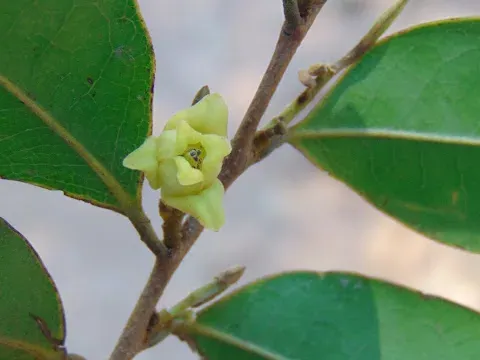
Capparis olacifolia
Capparis olacifolia
Propagation of Capparis olacifolia in agricultural settings is typically achieved through seeds or cuttings. Seeds possess a hard coat and benefit significantly from stratification or scarification processes to improve germination rates in controlled environments.
What the section contains
Capparis olacifolia
The optimal sowing time occurs in early spring when soil temperatures stabilize at 20 degrees Celsius. Seedbeds should consist of a well-draining, sandy mixture to facilitate root development while preventing moisture-related complications.
When using cuttings, it is essential to utilize rooting hormones and maintain a humid environment to ensure survival during the propagation phase. The growth rate during the initial months is characteristically slow.
Establishing the crop requires careful weed management to ensure that young seedlings receive adequate nutrients and light. Over time, the plant develops a deep, resilient taproot system that ensures long-term viability.
Transplanting to the permanent site should take place after the danger of frost has passed, ensuring sufficient spacing for the plant to mature into its natural shrub form.
Capparis olacifolia is a xerophytic plant that thrives in environments characterized by high solar radiation and low rainfall. It requires full sunlight to stimulate optimal growth and the production of flowering buds.
The plant is highly tolerant of various soil types, provided they are alkaline and exceptionally well-drained. Rocky, calcified, or sandy soils are ideal as they prevent the water stagnation that can lead to root rot.
Temperature tolerance is a key feature, as the species is well-adapted to arid heat. However, mature plants have limited tolerance for hard frosts, necessitating some form of winter protection in temperate climates.
Irrigation management is vital; while the plant is drought-tolerant, supplemental water during the early stages of establishment promotes faster growth and ensures a stronger crop structure for subsequent years.
Maintenance involves periodic pruning to shape the bush, which facilitates easier harvesting of the plant parts and improves airflow within the canopy to prevent disease development.
Root rot is the most significant pathological threat to Capparis olacifolia, almost exclusively resulting from overwatering or poorly draining soil. This condition can rapidly compromise the health of established plants.
Pest pressures primarily include aphids and spider mites, which congregate on succulent new growth. These pests thrive in dry conditions and require consistent monitoring to keep populations below economic injury levels.
Leaf spot diseases, caused by various fungal pathogens, may occur if the local humidity remains abnormally high for extended periods. Good sanitation practices, such as removing infected debris, are recommended.
Competitive weeds pose a dual threat by acting as hosts for pests and competing for essential soil resources. Keeping the planting site clear of invasive vegetation is a fundamental component of crop protection.
Integrated pest management, combining physical barriers and mild biological treatments, is preferred to maintain the health of the plant while ensuring sustainable farming practices.