
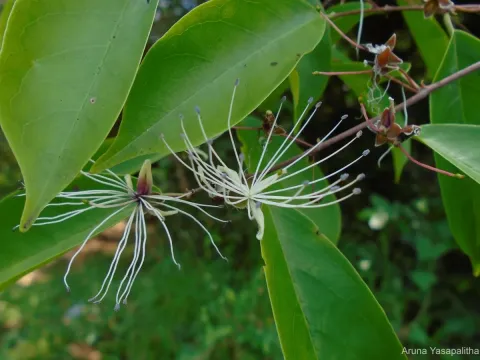
Capparis tenera
Capparis tenera
Capparis tenera is a perennial subshrub belonging to the Capparaceae family, naturally adapted to arid and semi-arid environments.
What the section contains
Capparis tenera
The plant thrives in regions with intense solar radiation and high temperatures, making it suitable for Mediterranean-type climates.
Well-drained, stony, or sandy soils are essential for healthy root development, as the plant is highly sensitive to waterlogging.
Its deep-reaching root system allows it to efficiently extract water and nutrients from poor soils, showing remarkable resilience.
Proper spacing during planting is crucial to ensure airflow, which significantly reduces the risk of moisture accumulation around the plant base.
The economic value of this crop is primarily based on its edible flower buds, which are harvested and processed into a gourmet condiment.
Yields are typically measured by the total weight of the harvested buds, with quality heavily dependent on the size and maturity of the buds.
Harvesting is labor-intensive and requires manual intervention to select buds at the ideal stage of development before they bloom.
Maintenance, including light pruning, is performed to encourage the growth of new productive shoots, thereby maximizing total yield per plant.
Productivity remains stable over many years, as the shrub is perennial and can survive long periods of drought once established.
Fungal infections are the most common threats to the crop, usually triggered by poor drainage or excessive humidity in the soil.
Various insects can pose a challenge to the foliage, necessitating regular scouting and pest management strategies during the growing season.
Weed control is an essential part of the agricultural process to prevent nutrient and water competition in the early stages of growth.
Maintaining a dry environment around the roots is the most effective cultural practice to prevent soil-borne pathogens.
In cases of severe infestation, targeted biological or chemical treatments may be required to protect the integrity of the flower buds.
The harvest period is extended over several months as the shrub continues to produce new buds throughout the warm season.
Precision is key during harvest, as only closed, tight buds are suitable for preservation and sale in the food industry.
Post-harvest handling must be immediate to maintain the freshness and quality of the product, often involving brining or pickling.
Frequent picking stimulates the plant to generate more buds, effectively increasing the cumulative yield throughout the year.
Storage conditions must be strictly controlled after harvesting to prevent fermentation or loss of texture before final processing.