
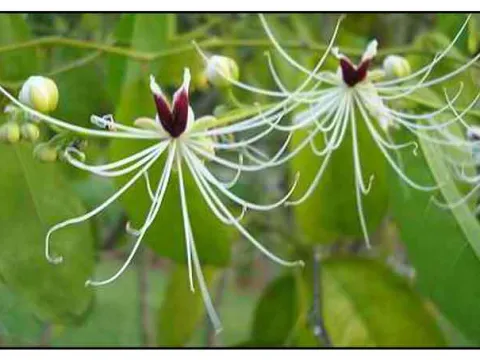
Capparis micrantha
Capparis micrantha
Capparis micrantha is a hardy evergreen shrub, typically propagated through seeds or stem cuttings. Seed sowing is best performed in a controlled environment during late winter, ensuring the growing medium maintains a temperature between 20-25 degrees Celsius for optimal germination.
What the section contains
Capparis micrantha
Seeds possess a hard, protective coat, making scarification a necessary pre-treatment to ensure uniform and efficient emergence. Seedlings should only be transplanted into open fields after all frost risks have passed, as young plants are highly sensitive to sudden thermal shocks.
Vegetative propagation via woody cuttings is preferred for maintaining plant quality. Cuttings are rooted in a sandy, well-draining mixture under high humidity levels. Adequate light is essential during the rooting phase to ensure the rapid development of a robust vascular system.
Planting density depends on the chosen trellis system and intended harvest method, with typical spacing set at roughly 1.5 to 2 meters apart. Maintaining sufficient airflow is critical to preventing fungal issues, especially in regions with humid growing seasons.
As a member of the Capparaceae family, the plant establishes a deep taproot system, which is vital for survival. Once established, this deep root architecture allows the shrub to withstand prolonged periods of drought, characteristic of its native environment.
For successful production, Capparis micrantha requires a site with full, direct sun exposure for the majority of the day. The plant cannot tolerate waterlogged soils, making site selection with excellent natural drainage a non-negotiable factor in farm planning.
The ideal soil profile is sandy or stony, with a pH ranging from neutral to slightly alkaline. The plant is naturally adapted to marginal lands and saline soils, making it an excellent candidate for utilizing areas that are unsuitable for traditional food crops.
Climatic requirements involve long, hot, and dry summers, which facilitate high-quality bud formation. In regions with cold winters, the crop may require protective measures or greenhouse cultivation to survive the dormant phase without suffering significant freeze damage.
Irrigation management should be conservative; excessive moisture during the active growth phase often leads to root rot. During the winter dormancy period, the plant requires a dry environment to successfully reset for the upcoming growth cycle in the spring.
Native to Asia and the Philippines, the plant thrives under high light intensity. Any shade or prolonged overcast conditions will lead to poor branch architecture, reduced bud formation, and an overall decrease in the plant's metabolic capacity to produce high-value yields.
Yields for Capparis micrantha increase significantly as the plant matures, with peak productivity typically reached between the fifth and seventh years. Regular harvesting of the immature flower buds is the primary driver of continuous growth and new bud initiation.
The commodity consists of tightly closed buds, which must be harvested by hand to ensure they meet market standards. A systematic harvest routine encourages the plant to channel its energy into producing more buds rather than developing fruit and seeds.
Commercial yields per hectare are dependent on local climatic conditions and meticulous irrigation control. With proper agronomic care, a single plantation can remain productive for many years, providing a consistent income stream for the grower.
Beyond culinary use as a premium spice, various parts of the shrub, including roots and bark, have potential applications in the pharmaceutical industry due to the presence of secondary metabolites. This potential for diversification can improve the overall profitability of the farm.
Maximizing yields requires a strategic approach to annual pruning. By maintaining the correct crown structure, growers ensure that all parts of the shrub receive adequate light, thereby optimizing the production area and simplifying the logistics of manual harvesting.
Root diseases, specifically those caused by waterborne pathogens, represent the most significant threat to Capparis plantations. These diseases proliferate in poorly drained soils, making strict moisture control the cornerstone of any integrated disease management program.
Pests such as spider mites and aphids are common concerns during the peak heat of summer. Management requires the use of targeted biological controls or systemic pesticides that have no detrimental effects on the final edible product or the surrounding ecosystem.
Small rodents and birds can pose a threat to young seedlings and emerging buds. The installation of protective netting or the use of deterrents during the early development stages is often necessary to prevent significant mechanical loss of biomass.
Over-fertilization, especially with nitrogen-heavy products, encourages excessive vegetative growth at the expense of reproductive budding. This imbalances the plant, leaving it more susceptible to infestation and reducing its resilience to heat and water stress.
A proactive approach to health, including rigorous sanitation practices and the removal of infected plant tissue, is essential for long-term farm viability. Ensuring that the site remains free of stagnant water is the most effective preventative measure against widespread infection.
Harvesting Capparis micrantha is a labor-intensive, delicate process performed exclusively by hand. Workers must carefully select buds that have reached the proper size but remain tightly closed, as this indicates the correct maturity for culinary processing.
The harvest window is extended over several months, requiring constant presence on the plantation. Daily or bi-daily picking is essential to ensure that no buds bloom, as open flowers lose their commercial value and reduce the energy reserves of the plant.
Post-harvest handling must be swift, involving immediate chilling or preservation in brine. This prevents the initiation of natural degradation processes and preserves the aromatic compounds responsible for the unique flavor profile that consumers demand.
Preservation in saline or vinegar solutions allows for long-term storage and easier distribution through commercial trade channels. This shelf-stable product is the standard form of retail and wholesale distribution for capers globally.
Efficiency in harvesting is determined by the organization of the plantation layout. Wide rows and well-pruned plants facilitate ease of movement for pickers, reducing the time from harvest to processing and increasing the overall throughput of the farm operation.