
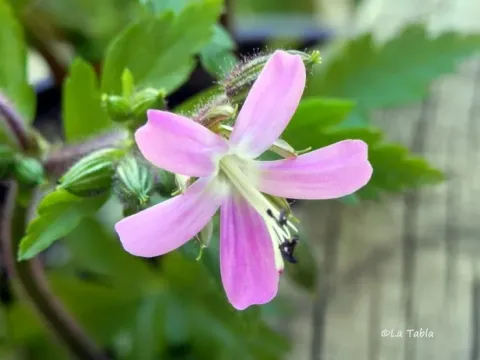
Canary Island Geranium
Geranium canariense
The Canary Island Geranium (Geranium canariense) is a perennial herbaceous plant belonging to the Geraniaceae family. Native to the Canary Islands, this species is cultivated mainly for its ornamental value in temperate regions where it is grown as a perennial or container plant.
What the section contains
Canary Island Geranium
Propagation is typically performed via seeds sown in early spring. It is recommended to use well-draining seed trays filled with a sterile potting mix. Keep the seeds in a warm environment, ideally between 18 and 22 degrees Celsius, until germination occurs.
Seedlings should be transplanted into individual pots once they develop their first set of true leaves. This ensures that the root system develops robustly before the plants are moved to their permanent outdoor location after the last frost date.
Vegetative propagation is also possible through division of the rootstock, which is best achieved in late autumn when the plant enters its dormancy period. This method helps maintain the specific traits of the parent plant.
Proper spacing is essential when planting in the garden to allow for adequate airflow. A gap of 40 to 50 centimeters between plants is recommended to prevent competition for nutrients and reduce the risk of humidity-related diseases.
This species thrives in sunny locations with well-draining, moderately fertile soil. While it tolerates partial shade, full sun exposure is necessary for the most intense foliage growth and abundant flowering cycles throughout the season.
Soil quality should be maintained by incorporating organic matter such as compost or aged manure before planting. The soil pH should ideally range from neutral to slightly acidic to optimize nutrient uptake.
Watering must be balanced; the soil should be kept moist but never waterlogged. During peak summer heat, increase the frequency of watering but always check that the top layer of the soil has dried out to prevent root rot.
Regular maintenance involves pruning dead foliage and spent flowers to encourage new growth. This practice not only improves the aesthetic appearance of the plant but also stimulates the production of secondary lateral buds.
In regions with harsh winters, the Canary Island Geranium should be brought indoors or provided with significant mulch cover. It is highly sensitive to freezing temperatures, which can severely damage or kill the plant if not properly protected.
Common pests include aphids and spider mites, which can proliferate during hot and dry weather conditions. Regular inspection of the undersides of the leaves is critical for early detection and mitigation of these infestations.
Fungal diseases like powdery mildew are common in environments with poor ventilation or high humidity. Maintaining proper spacing and avoiding overhead irrigation can significantly reduce the incidence of these fungal infections.
Root rot is perhaps the most dangerous issue, typically caused by overwatering or soil with poor drainage properties. If signs of yellowing or wilting appear, drainage must be improved immediately to save the plant.
Botrytis or gray mold may affect the flowers and foliage if moisture remains on the plant surfaces for too long. Improving the air circulation around the canopy is the primary defense against these opportunistic pathogens.
Integrated pest management, including the use of organic neem oil or insecticidal soaps, is recommended as a safe and effective way to handle pest outbreaks without damaging the garden ecosystem.