
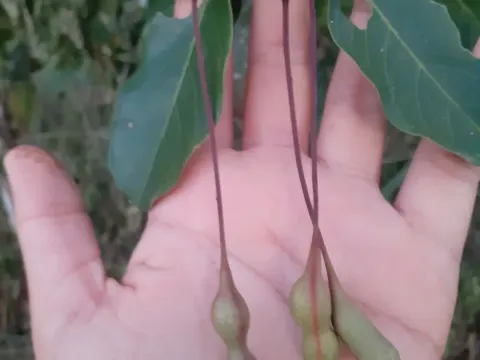
Capparis coccolobifolia
Capparis coccolobifolia
Capparis coccolobifolia is a perennial shrub belonging to the Capparaceae family. This species is native to tropical regions of South America and has evolved to thrive in harsh, semi-arid environments where other plants struggle to survive.
What the section contains
Capparis coccolobifolia
The plant requires well-drained, sandy, or rocky soil to prevent root rot, which is a major risk for this species in damp environments. It is highly adapted to high solar intensity and thrives in full sun exposure.
Climatic requirements are strictly tropical or subtropical; the species cannot tolerate frost. Consistent warmth is essential for the vegetative growth of Capparis coccolobifolia throughout the year.
Botanically, it is characterized by its coriaceous (leathery) leaves and sturdy woody stems. These features are evolutionary adaptations designed to minimize transpiration and survive long periods of drought in its native habitat.
In terms of agricultural use, this species is primarily valued for its ornamental potential in xeriscaping. It also serves as a point of interest for researchers looking into drought-resistant genetic traits within the Capparaceae family.
Spider mites are the most common pests affecting Capparis coccolobifolia in hot, dry conditions. They colonize the underside of leaves, causing discoloration and significant loss of plant vigor if left untreated.
Fungal pathogens, particularly root rot, are typically triggered by poor drainage or excessive irrigation. Keeping the soil profile well-aerated is the primary defense strategy against these soil-borne threats.
Leaf-feeding insects, such as certain caterpillar species, can cause noticeable damage during the peak growing season. Regular scouting of the foliage is recommended to catch infestations before they spread.
Aphids may occasionally infest tender new growth, drawing nutrients and stunting development. Early intervention using eco-friendly soaps or biological control agents is highly effective in managing these populations.
Sanitation practices, including the removal of deadwood and infected branches, are vital for maintaining a healthy plantation. Proper spacing between individual plants is also crucial to ensure adequate airflow and reduce humidity build-up.