
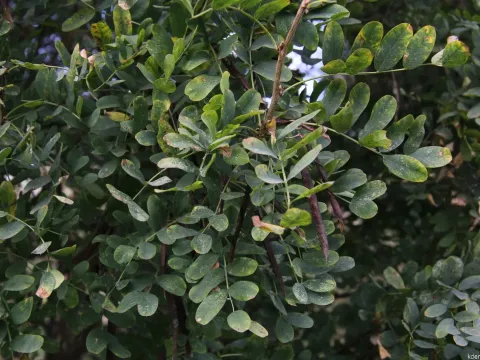
Caragana fruticosa
Caragana fruticosa
Seeds of Caragana fruticosa are usually sown in the spring, after the soil has warmed up, or before winter to allow for natural stratification. The optimal sowing period is in April, when there is sufficient moisture stored in the soil.
What the section contains
Caragana fruticosa
Before sowing, it is recommended to scarify the seeds to increase germination energy. Sowing is carried out in rows, burying the seeds at a depth of 2–3 centimeters in light, well-drained soil.
For creating shelterbelts or hedges, planting two-year-old seedlings in trenches is a common practice. This ensures a higher survival rate compared to direct seeding in uncontrolled field conditions.
When growing in nurseries, it is important to maintain the optimal plant density. Overcrowded seedlings lead to growth suppression, so thinning should be performed immediately after the emergence of the first true leaves.
Autumn sowing requires obligatory mulching of the soil surface to protect against sudden temperature changes. Seedlings emerge uniformly in the spring, immediately after stable positive temperatures are established.
Caragana fruticosa belongs to the Fabaceae family and is a hardy shrub possessing high ecological plasticity. It adapts well to the conditions of steppe and forest-steppe zones, demonstrating high drought resistance.
The plant prefers sunny, open areas with light sandy loam or loamy soils. The crop is extremely undemanding regarding soil fertility, which allows it to be used for the development of poor, depleted, or eroded lands.
Optimal pH values for the growth of Caragana range from slightly acidic to slightly alkaline. A key condition for successful cultivation is the absence of waterlogging, as excessive moisture leads to root rot.
The crop has high frost resistance, typical of species found in continental climates. It is capable of withstanding significant winter temperature drops without the loss of generative buds.
During the first years of life, Caragana requires minimal care, which includes weeding and loosening the soil in the root zone. Adult plants practically do not require additional irrigation or fertilization.
The main pests of Caragana are various species of leaf beetles and spider mites. In years of mass outbreaks, insects can significantly reduce the vegetative mass of the shrub by consuming the foliage.
To control harmful insects in commercial plantings, systemic insecticides are used. It is important to carry out treatments early to prevent damage to young shoots.
Diseases are most often represented by fungal infections such as leaf rust and powdery mildew. These diseases develop under high humidity and poor crown ventilation in dense plantings.
Prevention of diseases involves maintaining proper thinning and sanitary pruning of affected branches. Disposal of plant residues is a mandatory measure to prevent the spread of fungal spores.
Resistance to diseases is significantly increased by the application of potassium-phosphorus fertilizers, which strengthen the plant's cell walls. Good aeration of the site also helps reduce the risk of pathogen infection.