
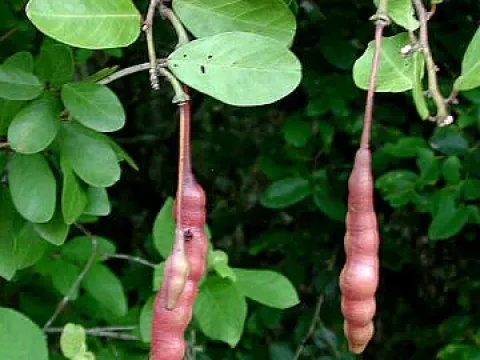
Capparis flexuosa
Capparis flexuosa
Sowing of Capparis flexuosa seeds is typically scheduled for the spring season once the soil temperature consistently reaches 20 to 25 degrees Celsius.
What the section contains
Capparis flexuosa
The seeds possess a hard, durable outer layer, requiring scarification or pre-soaking in specialized solutions to accelerate germination and ensure uniformity.
Seeds should be planted in well-draining substrate at a depth of 1-2 centimeters, maintaining adequate moisture to support the initial stages of root development.
Precise temperature management during the sprouting phase is critical, as extreme fluctuations can severely inhibit the viability of the seeds.
Professional operations often prefer starting plants in nurseries, which allows for better management of environmental conditions before transplanting into the open field.
Capparis flexuosa is a member of the Capparaceae family and is recognized as a hardy xerophytic species, naturally evolved to thrive in arid and harsh climates.
The plant demands full sun exposure to flourish; insufficient light levels lead to etiolation, weak vegetative growth, and a significant decline in flower bud production.
It favors stony, sandy, or rocky soils with excellent drainage, as the plant is highly sensitive to waterlogged conditions that can cause root decay.
A notable feature of this species is its high tolerance to saline soil conditions, making it an excellent candidate for cultivation in challenging agricultural environments.
The ideal soil pH range for optimal growth is between 7.0 and 8.5; the plant shows poor adaptation to acidic or poorly aerated heavy clay soils.
The yield of Capparis flexuosa is contingent upon plant maturity and rigorous adherence to pruning practices, with significant production beginning from the second year.
The primary economic focus is the harvest of unopened flower buds, which are highly valued in the global culinary market for their intense, pungent flavor profile.
Regular maintenance pruning of older, unproductive branches is essential to stimulate the emergence of new shoots where the next season's buds will develop.
Under favorable climatic conditions and proper moisture management, the plant can produce multiple harvest waves throughout a single growing season.
High-intensity management, including appropriate fertilization schedules, can substantially increase the marketable volume per plant in industrial plantations.
Excessive humidity in both the air and soil is the primary threat to this crop, as it creates an environment conducive to root rot and fungal infections.
Pests such as aphids and spider mites are frequent adversaries, particularly during hot, dry periods when the plant's stress levels may temporarily increase.
Powdery mildew may occur if ventilation is restricted in sheltered cultivation environments, requiring immediate adjustment of airflow and moisture levels.
Management strategies emphasize preventative measures, including optimized irrigation cycles, regular scouting, and the application of organic biological controls.
The use of synthetic pesticides is discouraged due to the immediate consumption of the harvest, necessitating safe, residual-free crop protection methods.
Harvesting is performed exclusively by hand during the cool morning hours to maintain the freshness, density, and aromatic qualities of the flower buds.
Strict supervision is required to ensure that buds are picked only when they are tightly closed; once they open, they lose their culinary value and market appeal.
The manual nature of the harvest is labor-intensive, requiring careful handling to prevent damage to the delicate stems and developing buds on the plant.
Immediate post-harvest processing is mandatory, as freshly picked buds are highly perishable and must be moved quickly to pickling or preservation facilities.
Efficient supply chain logistics are crucial for the success of this crop, ensuring that the transition from field to processing plant happens within a few hours.