
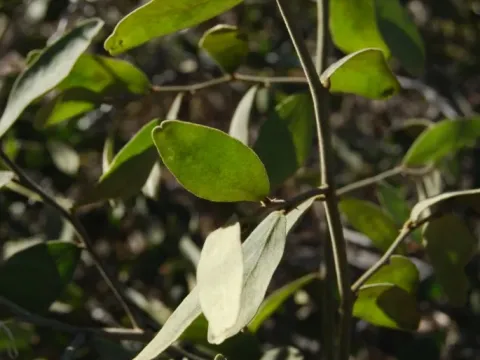
Capparis lasiantha
Capparis lasiantha
Capparis lasiantha, commonly referred to as the Australian caper or the wild orange, is a member of the Capparaceae family. It is a hardy, perennial shrub or climber native to the arid and semi-arid regions of Australia.
What the section contains
Capparis lasiantha
The plant thrives in well-drained, nutrient-poor, and stony soils. Its biological structure allows it to withstand significant environmental stress, including extended periods of drought and high heat levels characteristic of its native habitat.
For agricultural cultivation, sunlight exposure is the most critical factor. The plant requires full sun to maximize its photosynthetic capacity and ensure the development of healthy flower buds, which are the primary commodity of interest.
While extremely drought-tolerant, Capparis lasiantha benefits from moderate, controlled irrigation during the initial establishment phase. Once the root system is deep and established, it requires minimal to no supplemental watering.
Climate suitability is limited to tropical and subtropical zones. The plant does not tolerate frost and prefers warm, stable temperatures year-round to maintain its physiological functions and active growth cycles.
The primary harvest involves the collection of immature flower buds before they fully open. This harvesting process is labor-intensive and requires skilled manual labor, primarily due to the sharp thorns protecting the plant's branches.
Fruit harvesting follows the flowering stage. The fruit, which is a berry, must be harvested at the correct maturity level. If left too long on the bush, it becomes unattractive for commercial processing due to internal physiological changes.
Post-harvest handling is critical to preserve the quality of the capers. Buds are usually cured in brine or vinegar to undergo fermentation, which converts complex compounds into the characteristic tangy flavor associated with capers.
Efficiency in harvesting is increased by using mechanical pruning techniques that shape the bush for easier access. However, selective manual picking remains the standard to ensure only high-quality, non-damaged buds are gathered.
Ongoing research focuses on developing varieties with reduced thorniness to improve harvest efficiency. Proper packaging and standardized curing processes are essential to enter the competitive global market for high-end gastronomic ingredients.