
Euadenia
Euadenia
Euadenia is a genus of shrubs or small trees belonging to the Capparaceae family. Native to the tropical regions of Africa, these plants are typically found in the understory of moist forests, where they have evolved to thrive in warm and stable environments.
What the section contains

Euadenia
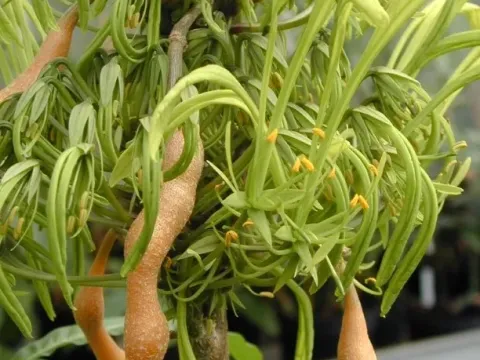
The botanical profile of Euadenia is marked by its complex leaves and distinctive flowers featuring long, protruding stamens. This floral morphology is a specialized evolutionary trait designed to facilitate pollination by specific tropical insects inhabiting the same ecological niche.
Cultivation requires specific climatic conditions, primarily consistent temperatures above 20°C and high humidity. As a tropical genus, Euadenia is highly intolerant to cold, making it unsuitable for cultivation in temperate climates without controlled greenhouse environments.
Soil requirements are strict, favoring well-drained, nutrient-rich substrates that mimic forest floor conditions. A neutral or slightly acidic pH balance is ideal, and proper aeration of the root zone is crucial to prevent the physiological stress associated with waterlogged soils.
In terms of хозяйственное (economic) utility, Euadenia is primarily recognized for its potential in ornamental horticulture and phytochemical research. Various compounds extracted from the plant are currently being studied for their pharmacological properties in traditional and modern medicine.
Fungal diseases represent a significant threat to Euadenia, particularly in the humid environments where it naturally grows. Leaf spot and various mildew types can rapidly affect the foliage, reducing the plant's overall vigor and aesthetic value.
Pests such as scale insects and spider mites are frequent invaders that target the tender stems and leaves. These pests weaken the plant by extracting sap, often leaving it susceptible to secondary infections or viral agents introduced through feeding wounds.
Root rot is a critical risk factor related to irrigation management. Over-saturation of the soil leads to a lack of oxygen, which rapidly causes root tissue decay, making the plant unable to absorb essential nutrients and water efficiently.
Nematode infestations can also compromise the root system, causing stunted growth and poor health. Managing soil health and implementing preventative biosecurity measures during initial planting are key steps to mitigate these soil-borne threats.
Regular monitoring and integrated pest management (IPM) practices are essential for sustaining a healthy crop. By ensuring adequate spacing and ventilation, growers can effectively manage humidity levels and minimize the spread of diseases within the planting area.