
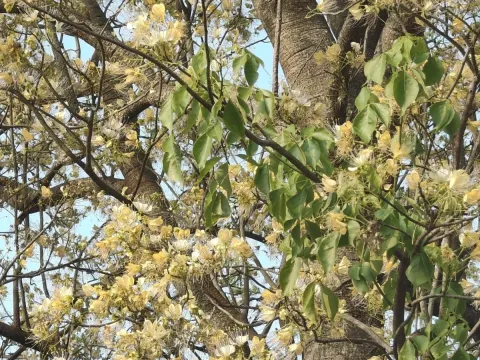
Crateva
Crateva
Crateva is a genus of deciduous trees and shrubs belonging to the Capparaceae family. These plants are native to tropical and subtropical climates across Asia, Africa, and parts of the Americas, thriving in diverse ecological niches.
What the section contains


Crateva
To ensure optimal growth, Crateva requires well-draining soil and a location with significant sun exposure. It is particularly intolerant of waterlogged conditions, making soil aeration a critical factor for the health of its root system.
The plant demonstrates a strong preference for warm climates with stable temperature ranges, typically between 22 and 30 degrees Celsius. While it can withstand periods of light drought, consistent irrigation is necessary for maximum vegetative development.
Botanically, Crateva is known for its trifoliate leaves and large, striking flowers that possess long stamens. These features make it not only useful for pharmacological purposes but also a popular choice for ornamental landscape architecture.
Economically, Crateva is cultivated primarily for its medicinal properties. The bark and roots contain bioactive components utilized in traditional and modern medicine to support renal and metabolic functions.
Fungal pathogens are the primary concern for Crateva, especially in high-humidity environments. Root rot is a common issue resulting from inadequate drainage, which can rapidly compromise the integrity of the entire tree.
Pests, such as aphids and spider mites, frequently colonize the foliage, leading to chlorosis and stunted development. Consistent monitoring is essential to prevent these pests from spreading throughout the orchard.
Implementing a strict maintenance schedule, including pruning and clearing dead organic matter, helps reduce the incidence of disease. Proper spacing between trees is vital to ensure airflow and reduce the humidity levels that favor fungal growth.
Integrated pest management strategies are recommended, focusing on early detection and the use of targeted biopesticides. This approach ensures the harvest remains free of chemical residues while maintaining tree productivity.
Environmental stress factors, such as extreme winds or cold snaps, can weaken the plant's immune system, making it more susceptible to secondary infections from local pest populations.